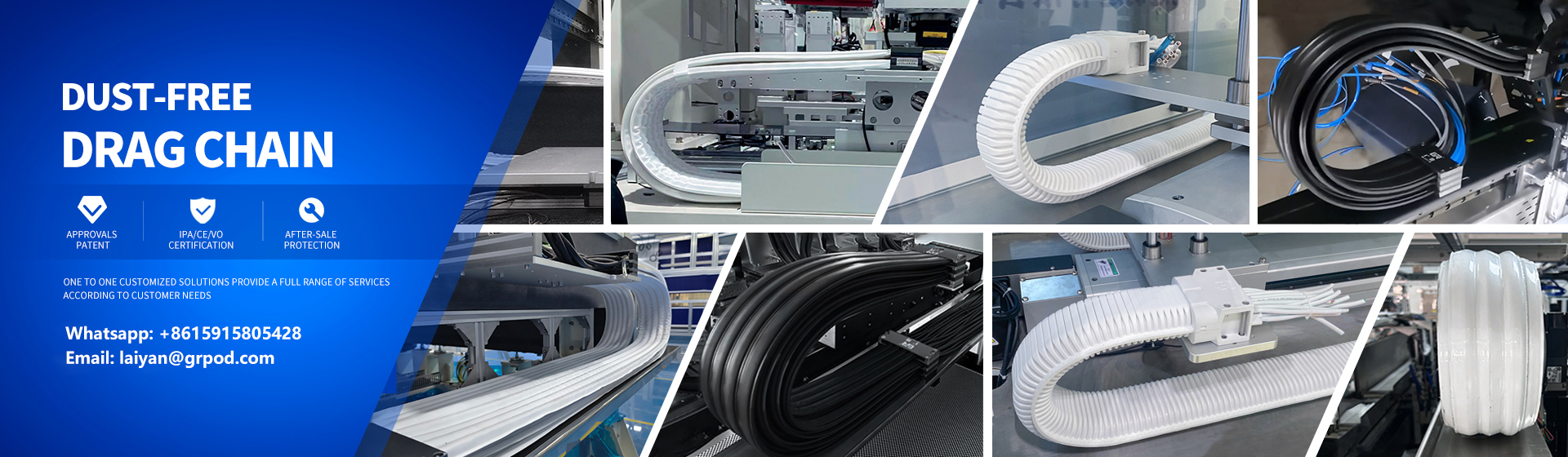
The Importance of Cable Carriers in Protecting Moving Cables and Hoses in Industrial Automation
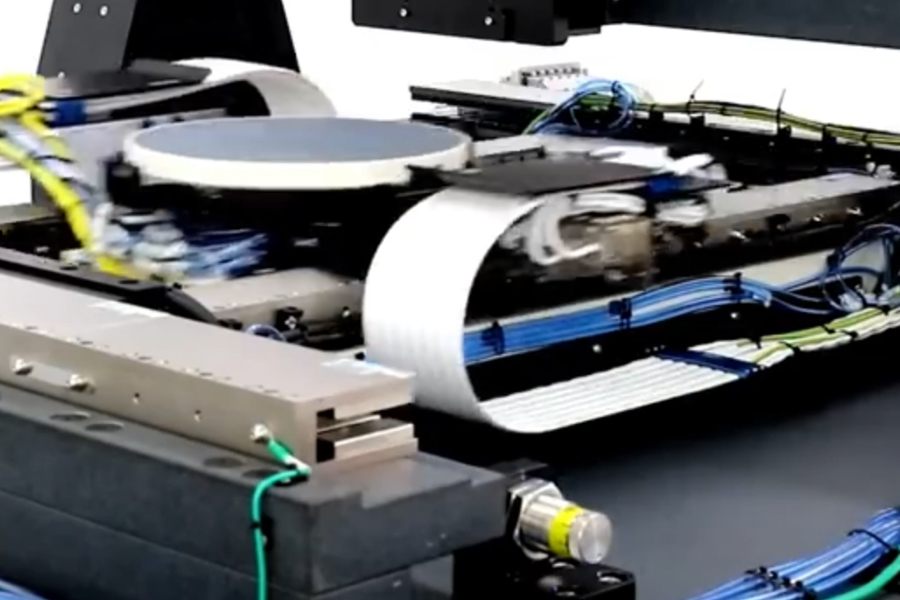
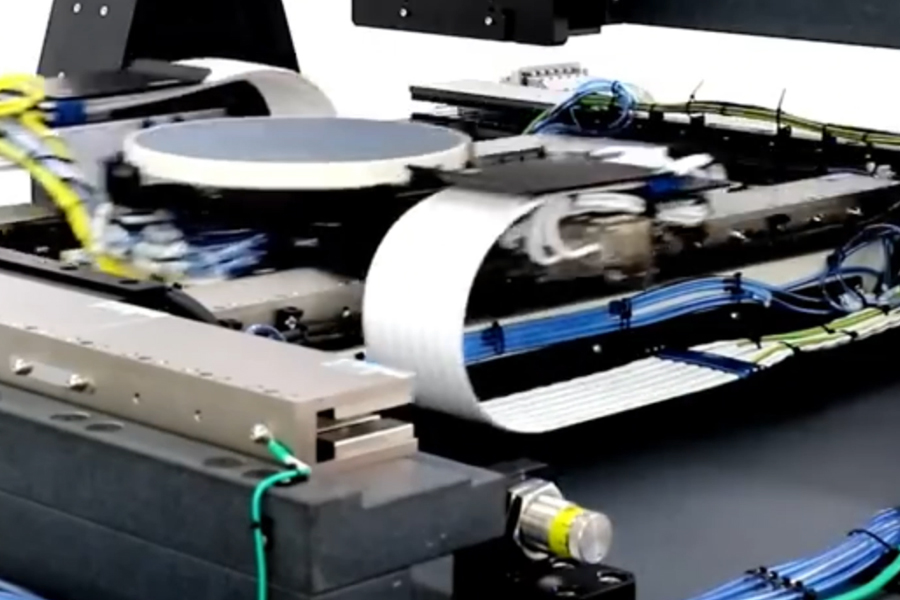
Cable chains, or drag chains, are essential for the protection and organization of moving cables and hoses within industrial systems. They prevent wear and tear by reducing movement-induced stress and minimizing friction, which is crucial for maintaining system efficiency. Industries can benefit from investing in high-quality cable carriers that are specifically designed to withstand various operational conditions. Regular maintenance plays a significant role in ensuring their longevity and reliability. Furthermore, the effective use of drag chains supports optimal workflow by preventing cable tangling and ensuring a clean layout, which ultimately enhances both safety and functionality in automated environments. Understanding these key aspects can aid companies in selecting the right solutions for their automation needs.
The Essential Role of Cable Chains in Industrial Automation
Cable chains, also known as drag chains, are integral to the functionality of automated systems. They serve to route and protect various moving cables, hoses, and pipes while minimizing wear and tear during operation. By providing a structured pathway, these carriers reduce the risk of tangling and accidental damage, which can lead to system downtime or costly repairs. When selecting a drag chain factory for industrial applications, it’s important to consider the quality and specifications of the products offered to ensure they meet operational needs.
"Investing in high-quality cable carriers can significantly enhance the reliability of automated processes."
Proper installation and regular maintenance are essential for maximizing the efficiency of cable chains. These practices not only extend the lifespan of cables but also contribute to safe and smooth operations within a facility. Understanding these components’ critical roles aids industries in optimizing their automation systems for better performance and reliability.
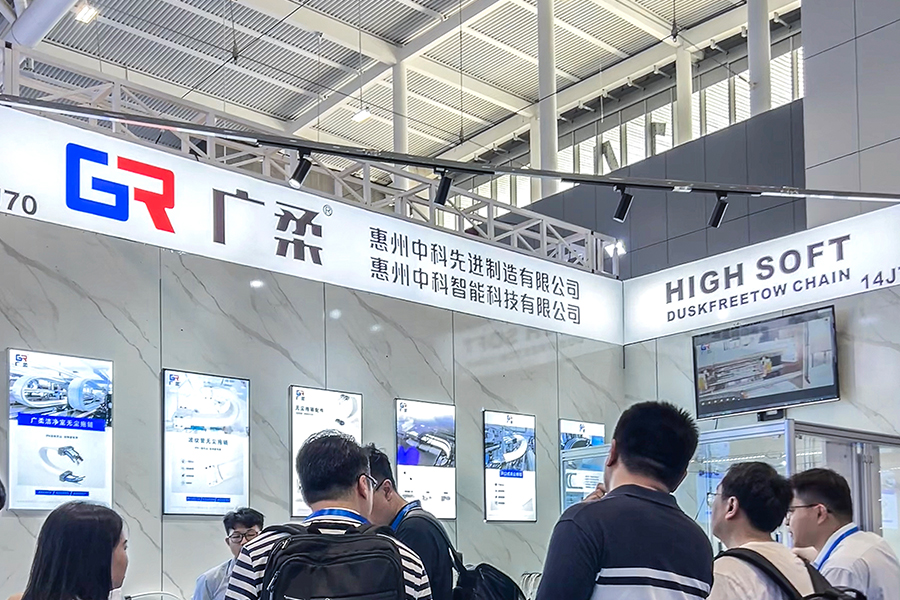
How Drag Chains Safeguard Moving Cables in Automated Systems
Drag chains, also referred to as cable carriers, are essential for protecting moving cables and hoses in automated systems. They provide a structured pathway that reduces wear and tear, shielding cables from mechanical stress and environmental factors. In cleanroom environments, where precision and cleanliness are paramount, the reliability of a cleanroom drag chain ensures that sensitive equipment operates smoothly without interruption. The design of these drag chains allows for a flexible yet secure arrangement of cables, preventing tangles and kinks that could lead to system failures. Furthermore, the innovations by various drag chain manufacturers have enhanced their durability and efficiency, making them critical components in sustaining continuous operations across various industries. By employing quality drag chains, businesses can significantly improve both the safety and efficacy of their automated systems.
Maximizing Efficiency: The Benefits of Cable Carriers in Industry
Cable carriers, or drag chains, are crucial in achieving efficient operations in industrial automation. By providing a dedicated pathway for moving cables and hoses, they minimize wear and tear caused by constant movement. This added protection reduces downtime, as well-maintained connections lead to fewer failures. Additionally, cable carriers facilitate better cable management, which enhances the overall workspace organization and safety. By organizing cables and hoses neatly, they help prevent tangles and snagging, resulting in smoother operational flows. Their ability to accommodate various applications and withstand harsh conditions further contributes to the reliability of automated systems, ultimately maximizing productivity in industrial settings.
Protecting Cables and Hoses: The Impact of Drag Chains on System Reliability
Drag chains play a fundamental role in maintaining the reliability of industrial systems by ensuring that cables and hoses are well-protected during operation. By providing a protective conduit, these components minimize the risk of wear and tear caused by repetitive motion, friction, and environmental factors. When cables and hoses are secured within drag chains, they experience less movement-induced stress, thus reducing the likelihood of damaging kinks or abrasions. This not only enhances the lifespan of the wiring but also prevents unplanned downtime due to maintenance or replacements. Furthermore, drag chains can accommodate various types of cables and hoses in a single assembly, simplifying installation processes and encouraging organized layouts in complex environments. As systems grow increasingly automated, the effectiveness of drag chains becomes vital for maintaining operational efficiency and reliability.
Conclusion
Cable carriers, commonly known as drag chains, are vital components in ensuring the operational efficiency and reliability of automated systems. Their design and functionality help to protect moving cables and hoses from damage, ultimately reducing wear and tear that can lead to unexpected downtime. The effective arrangement of cables within drag chains eliminates tangling and minimizes the risk of kinks or abrasions caused by friction and repetitive motion. As industries continue to automate processes, investing in high-quality cable chains becomes essential for safeguarding equipment and maintaining workflow continuity. The use of these carriers not only enhances the lifespan of vital components but also contributes to a safer, more organized working environment, underscoring their importance in modern industrial applications.
FAQs
What are cable chains and how do they work?
Cable chains, also known as drag chains, are designed to protect and guide moving cables and hoses in automated systems. They ensure that these components are supported correctly while minimizing stress caused by movement.
Why are drag chains important in industrial automation?
Drag chains play a critical role in preventing wear and tear on cables and hoses. By providing a secure pathway, they reduce the risk of damage from tangling or abrasion, which can lead to system failures.
What factors should be considered when selecting a cable carrier?
When choosing a cable carrier, it’s essential to assess the quality, capacity, flexibility, and material of the drag chain. These factors will determine how well it performs in specific operational environments.
How can I maintain cable chains for optimal performance?
Regular inspection and maintenance of cable chains are necessary to ensure their effectiveness. This includes checking for wear or damage, ensuring proper alignment during installation, and keeping moving parts free of debris.
Can drag chains be used in harsh environments?
Yes, many drag chains are designed to withstand harsh conditions such as extreme temperatures or exposure to chemicals. Selecting a type specifically built for these environments can enhance system reliability.
Contact Guangrou for a clean room drag chain solution.