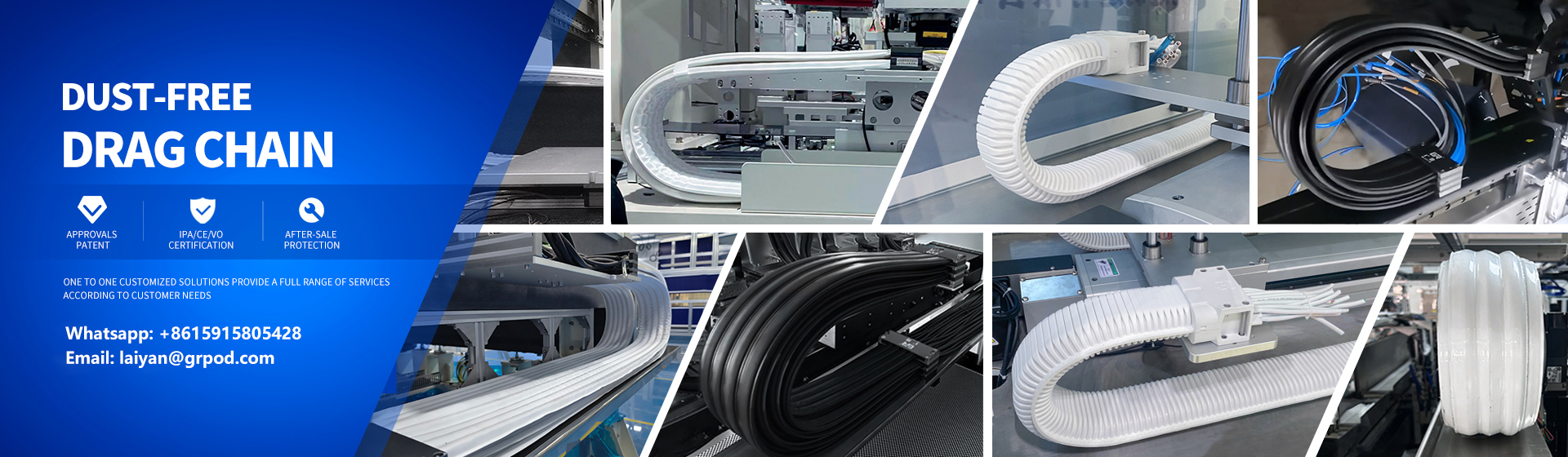
How to Implement an All-in-One Moving Cable System with a Cable Carrier
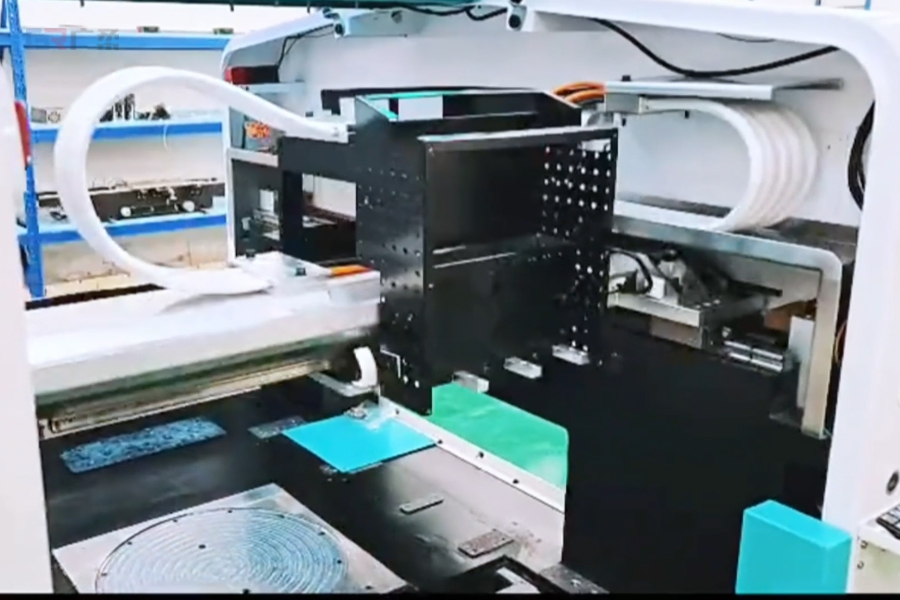
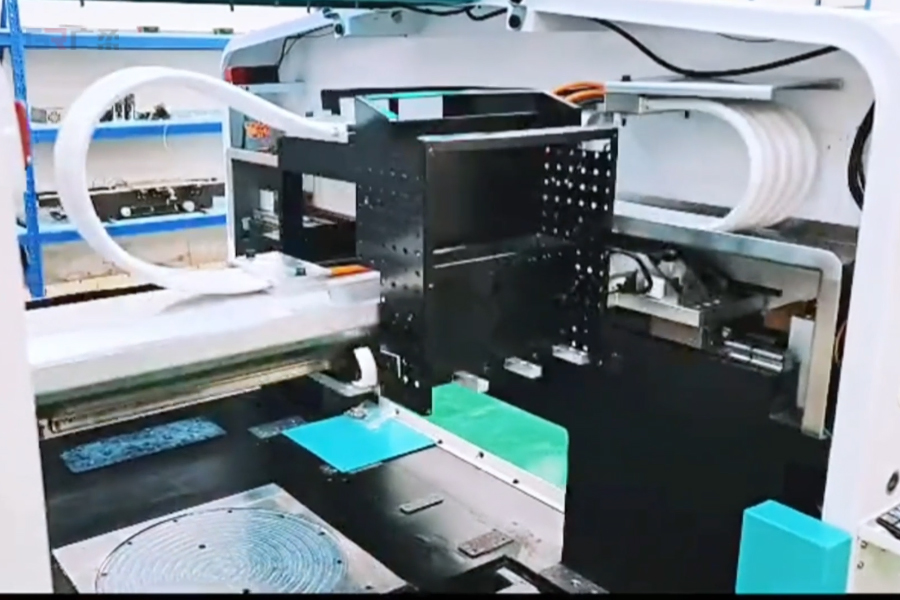
Implementing an all-in-one moving cable system with a cable carrier has distinct advantages for operational efficiency and safety. First, choosing high-quality materials for the cable carrier is vital as they withstand wear and extend the lifespan of both the carrier and cables. Second, maintaining a well-organized cable layout not only minimizes tangling but also facilitates easier troubleshooting during maintenance. It is equally important to conduct regular inspections to identify potential issues early on, preventing costly downtime. Additionally, labeling cables can significantly enhance clarity during maintenance operations. By focusing on these takeaways, businesses can enhance their industrial machinery’s reliability and overall performance.
Implementing Effective Cable Management with an All-in-One Moving Cable System
Utilizing an all-in-one moving cable system is essential for efficient cable management in complex machinery setups. A cleanroom drag chain is an excellent choice for these systems, offering protection against debris and wear. When you are implementing this system, ensure that all cables are appropriately secured within the drag chain to prevent tangling or movement-related damage.
In choosing a drag chain manufacturer, it’s crucial to look for reliability and quality. Quality drag chains enhance the longevity of your cables and improve operational efficiency. Always inspect the materials used and compatibility with your existing equipment before finalizing your choice of a cable carrier. Remember that a well-organized cable layout not only enhances safety but also facilitates maintenance, reducing downtime in your operations.
“Investing in quality drag chains pays off by minimizing wear and risk of breakdowns.”
By following best practices in setting up your all-in-one moving cable system, you can achieve a streamlined workflow that maximizes the performance of your industrial machinery.
Optimizing Industrial Machinery Operation Using a Cable Carrier
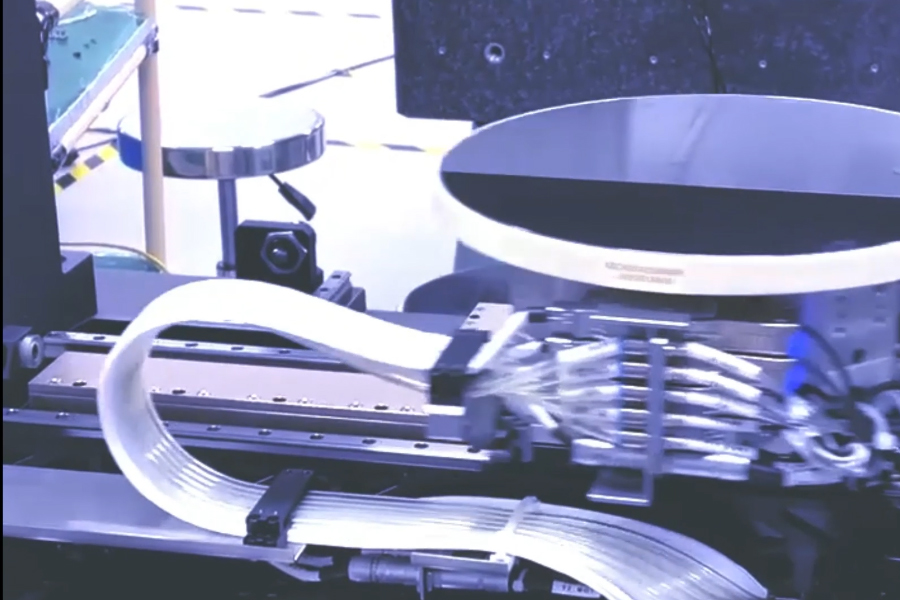
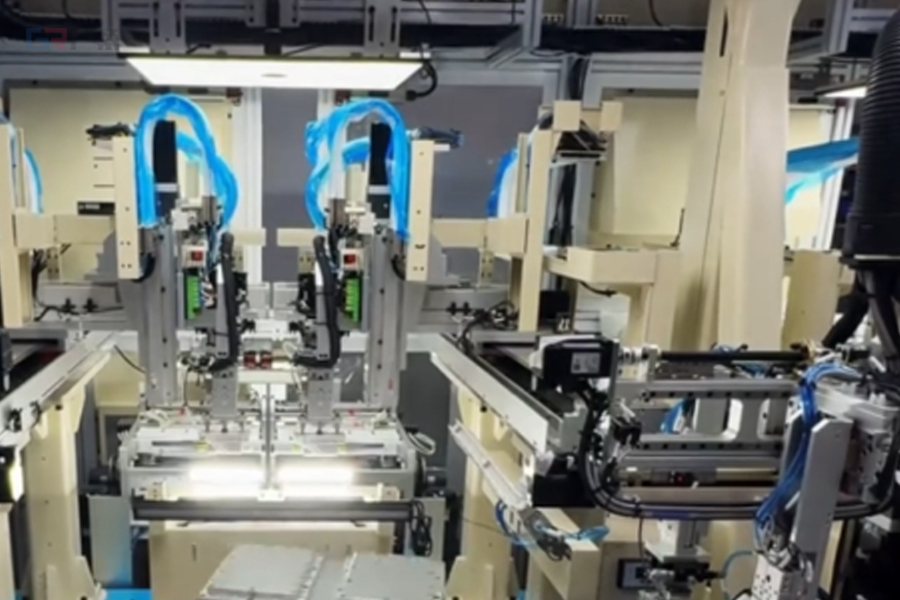
Utilizing a cable carrier can significantly enhance the efficiency and safety of industrial machinery operation. These systems are designed to manage and protect moving cables, ensuring they remain organized during dynamic movements. The structured guidance provided by cable carriers prevents tangling and reduces the wear on cables, which can lead to costly repairs and downtime. When integrated into machinery, cable carriers facilitate smooth operation by allowing for free movement without the risk of snagging or damage.
To further optimize operations, it is essential to select the right size and type of cable carrier based on the specific machinery and application needs. Regular maintenance checks can also ensure that the cable carriers remain in optimal condition, which indirectly supports overall equipment performance. By implementing these strategies effectively, businesses can achieve a more seamless workflow and enhance their operational capabilities.
Top Techniques for Managing Cables in All-in-One Systems
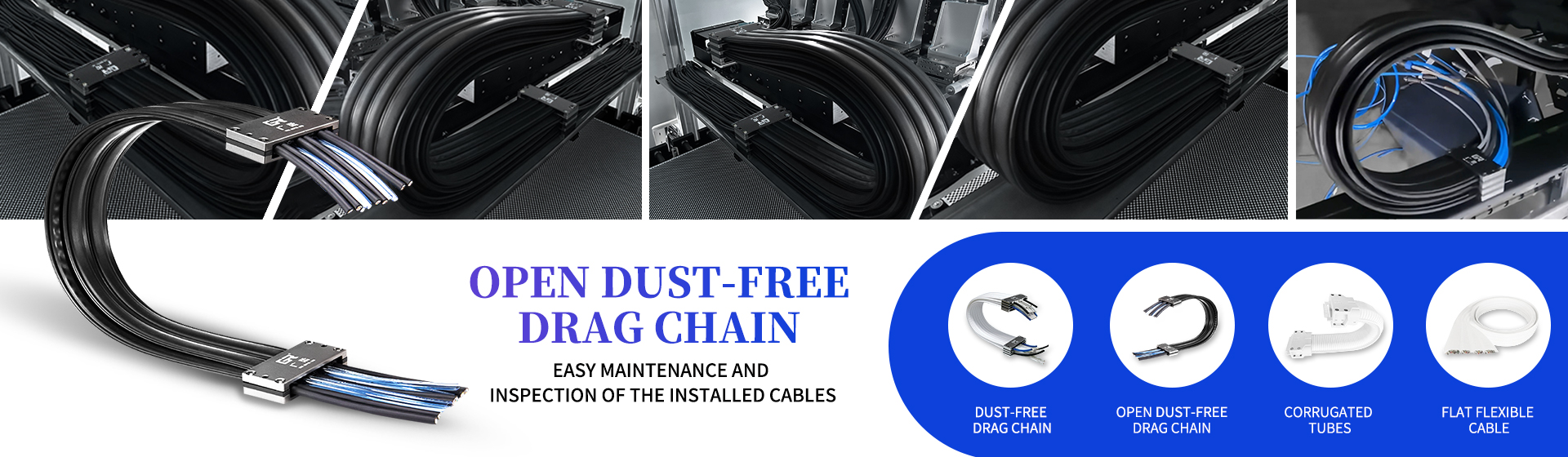
To effectively manage cables within an all-in-one moving cable system, it’s essential to prioritize organization and protection. Begin by utilizing cable organizers and clamps to keep cables neatly bundled and prevent tangling. When selecting components from a drag chain factory, ensure that the quality of materials used can withstand operational stress. Properly sized drag chains not only accommodate the movement of cables but also minimize friction and wear over time. Regular inspections for any signs of damage or wear can help catch potential issues before they escalate. Additionally, integrating clear labeling for each segment of the cable system aids in maintenance and troubleshooting, enhancing overall efficiency in operation. Following these techniques will contribute significantly to reliable performance of industrial machinery equipped with an all-in-one moving cable system.
Essential Steps for Setting Up a Reliable Cable Carrier System
To set up a reliable cable carrier system, start by selecting the appropriate type of cable carrier that fits your specific application. Consider factors such as the weight of the cables, the distance they will travel, and environmental conditions. Next, properly secure the cable carrier to ensure stability; this often involves fixed mounting points in both stationary and dynamic sections of the machinery. During installation, route cables neatly within the carrier to prevent tangling or damage. Label each cable clearly for easy identification and maintenance. Additionally, perform a thorough check to ensure that there is adequate clearance for any moving parts and that all connections are tight to avoid operational disruptions. Finally, conducting regular inspections can help maintain the system’s efficiency and longevity.
Conclusion
In conclusion, implementing an all-in-one moving cable system with a cable carrier brings numerous benefits to industrial operations. By focusing on effective cable management, businesses can significantly improve the reliability and efficiency of their machinery. Proper selection and installation of cable carriers ensure that cables are well-organized and protected, which minimizes the potential for wear and damage over time. Regular maintenance and inspections play a crucial role in identifying issues early, thereby sustaining operational performance. By adhering to best practices in cable management, organizations can foster a safer working environment while enhancing productivity across their systems.
FAQs
What are the benefits of using an all-in-one moving cable system?
An all-in-one moving cable system improves organization, reduces wear on cables, and enhances machinery efficiency by ensuring proper cable management throughout dynamic movements.
How do I choose the right cable carrier for my application?
To select the right cable carrier, consider factors such as the weight of the cables, expected movement distances, and environmental conditions. Ensure compatibility with your existing machinery.
What maintenance is required for a cable carrier system?
Regular inspections are necessary to check for signs of wear or damage. Ensure that all connections are tight and that there’s adequate clearance for moving parts to maintain optimal performance.
How can I prevent cables from tangling inside the cable carrier?
Utilize proper routing methods when inserting cables into the carrier. Securing them with clamps or organizers can also help maintain order and prevent tangling during operation.
Is it necessary to label cables within the system?
Yes, labeling cables is essential for easy identification during maintenance and troubleshooting. This practice enhances overall efficiency by allowing quick access to specific cables when required.
Contact Guangrou for a clean room drag chain solution.