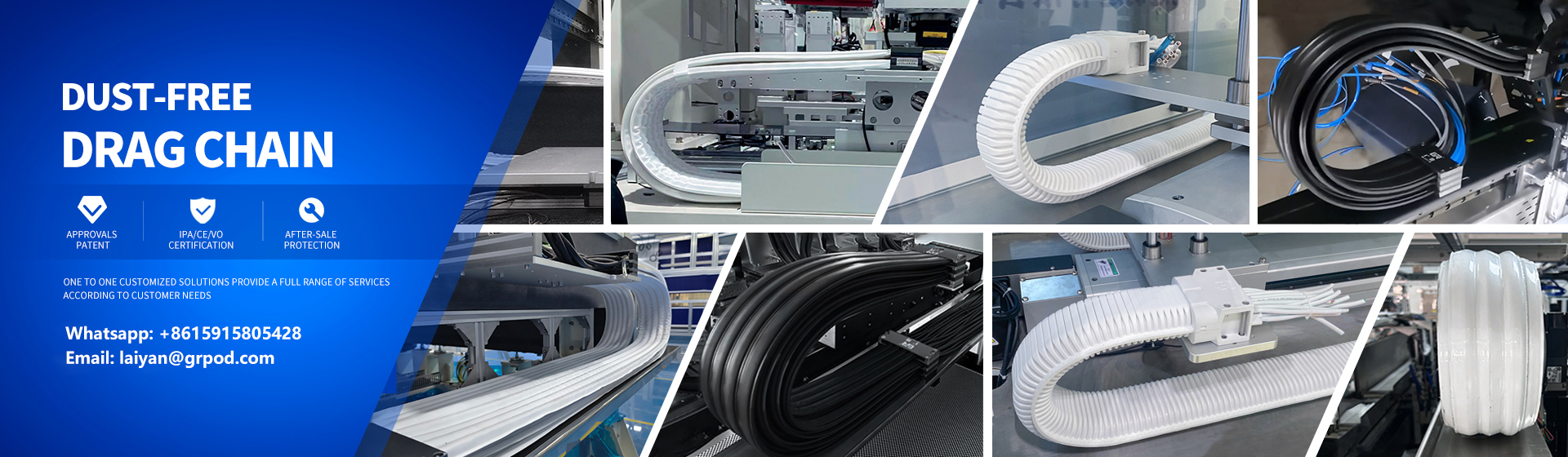
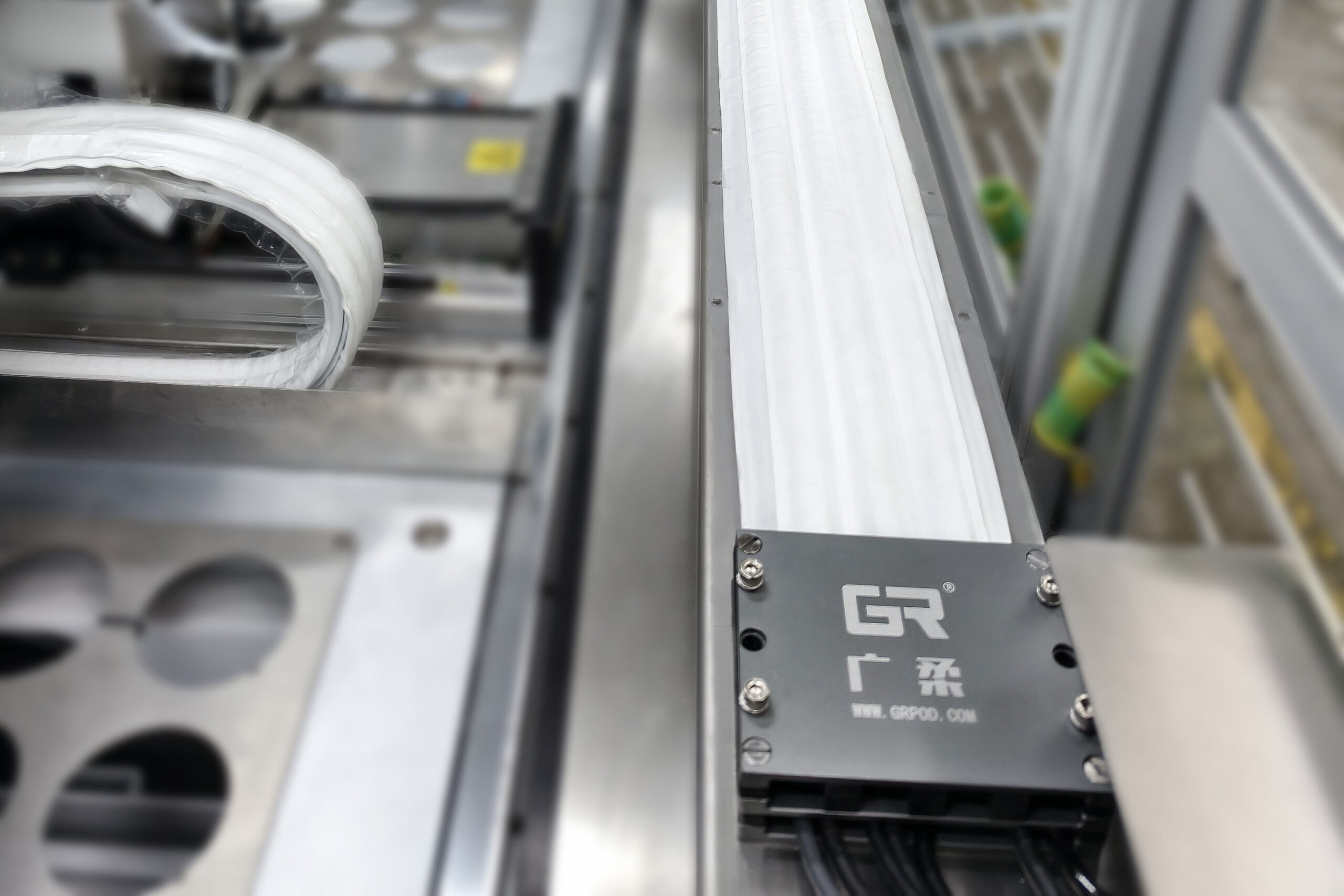
How to Choose the Right Cleanroom Cable Carrier for Your Automation Needs
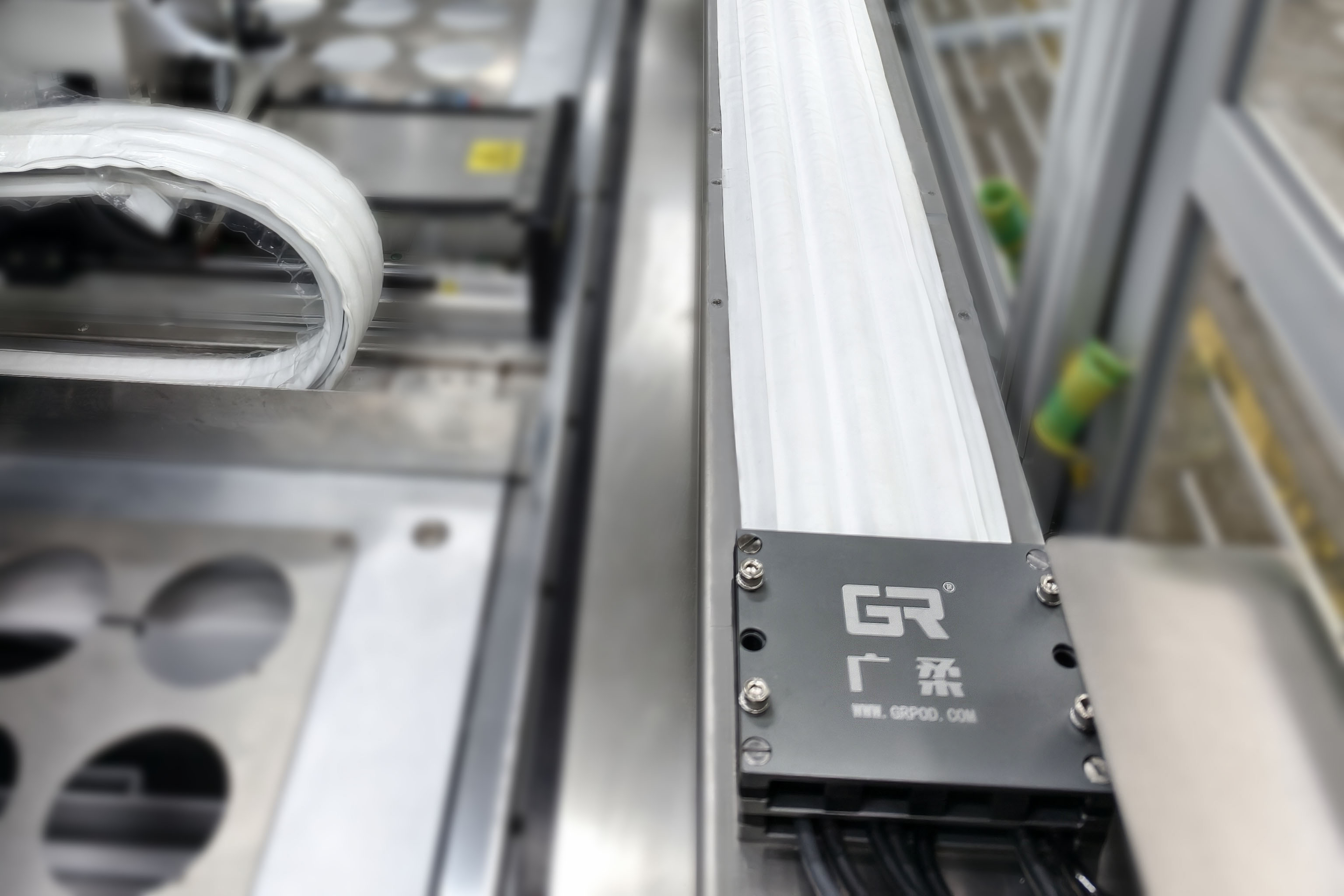
When it comes to cleanroom cable management, careful consideration of specific factors is crucial for ensuring operational efficiency. First, remember to align your choice of cable carriers with the cleanroom classification requirements. Compliance with recognized standards will help maintain the necessary cleanliness level in sensitive environments. Next, analyze the materials and construction of cable carriers; they should be resistant to chemicals and minimize particulate shedding. Pay attention to dimensions, focusing on the size and bend radius appropriate for your cables, which is essential in preventing damage during operation. Moreover, evaluate load capacities and movement frequency, ensuring that selected systems can handle dynamic conditions effectively. Anti-static features must also be assessed to protect sensitive equipment from electrostatic discharge risks. Lastly, prioritize systems that offer easy maintenance and installation to enhance long-term reliability and compliance with cleanliness standards. By integrating these key takeaways into your planning process, cleanroom operations can significantly benefit from improved cable management solutions.
Choosing the Best Cleanroom Cable Moving System for Automation
When selecting a cleanroom cable moving system, it is essential to consider various factors to ensure efficient operation in sensitive environments. First, evaluate the cleanroom classification required for your application. Different classes dictate specific standards for particulate control. Next, look at the specifications of the cable bundles including size and bend radius; these must fit comfortably within the system to avoid strain and damage.
A key element in this decision-making process is choosing a reliable drag chain manufacture that can provide solutions tailored to your needs. Consider their experience with cleanroom standards and their product offerings’ durability and compatibility with various environmental conditions. The drag chain’s material composition should resist abrasion and chemical exposure to maintain performance over time.
Additionally, contemplate the expected load and movement frequency of your cables. High-speed operations require carriers designed to handle rapid motion without compromising safety or cleanliness. Finally, ease of installation and maintenance can significantly impact long-term reliability, making these features worthy of attention during your selection process. By keeping these considerations in mind, you’ll set your automation processes up for success in maintaining stringent cleanliness standards.
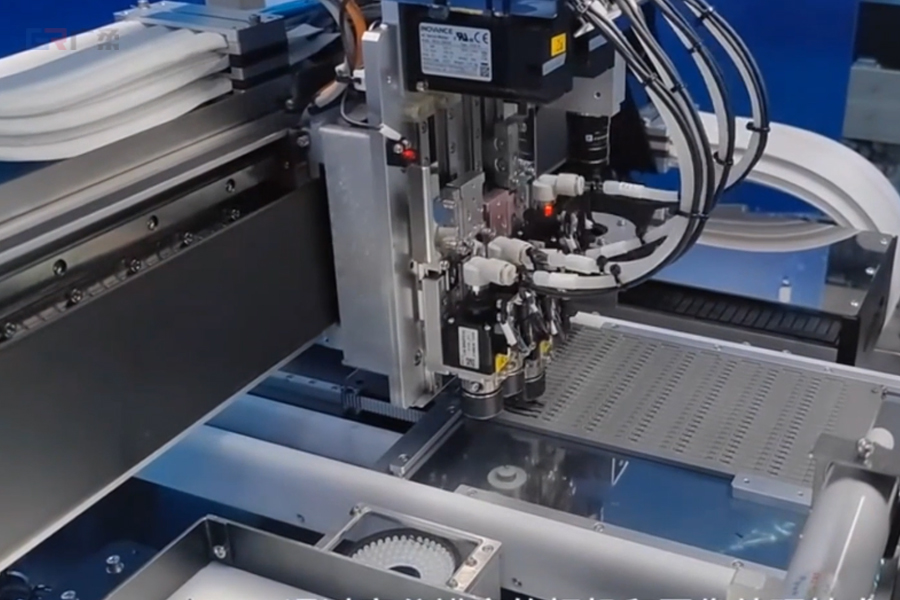
How to Select Cleanroom-Approved Cable Carriers for Optimal Performance
When selecting cleanroom-approved cable carriers, it is essential to consider several factors to ensure optimal performance in sensitive environments. Start by confirming that the cleanroom drag chain meets the required ISO standards for cleanliness and contamination control, as this ensures compatibility with your facility’s specifications. Evaluate the construction materials used, focusing on durability and resistance to chemicals and abrasion—these features significantly affect long-term performance. Additionally, assess the cable bundle size and bend radius required for your applications; this information will help determine the right dimensions for your drag chain.
It’s also crucial to account for movement frequency and load capacities, as these parameters impact the overall design and functionality of the cable moving system. Finally, ensure valid anti-static properties to prevent electrostatic discharge, which can compromise sensitive equipment reliability. By addressing these key considerations, organizations can effectively select cable carriers that withstand rigorous cleanroom conditions while maintaining high operational standards.
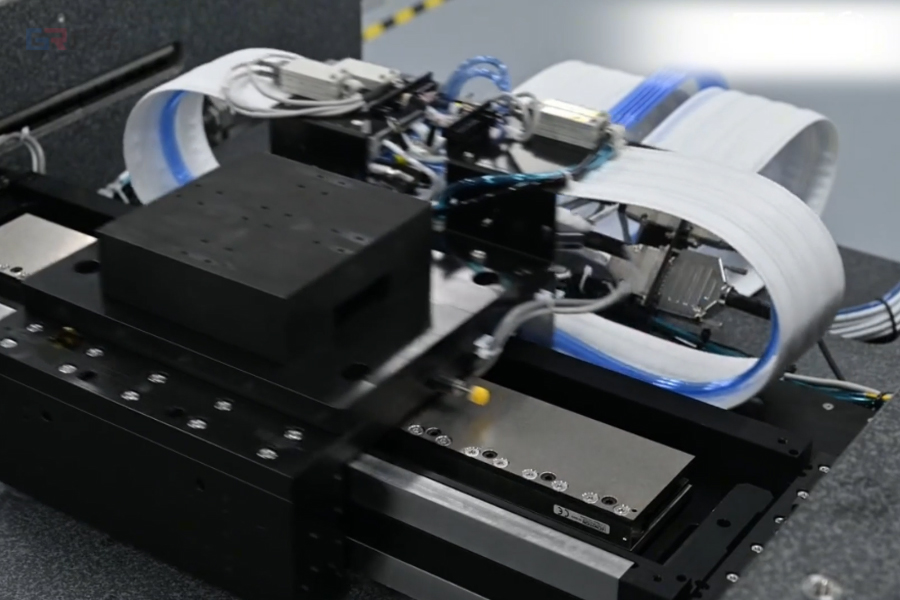
Key Considerations for Cleanroom Cable Management Solutions
When selecting a cleanroom cable management solution, it’s essential to evaluate several critical factors. First, ensure that the chosen system meets the required cleanliness standards for your specific cleanroom classification. Consider the materials used in the cable carriers and their resistance to chemical exposure, as well as their ability to minimize particle shedding. Next, assess the dimensions and bend radius of the cable bundles accommodating your automation needs. The expected load and frequency of movement also play a vital role in ensuring reliability and durability under dynamic conditions. Additionally, anti-static features are important to prevent electrostatic discharge, which can harm sensitive equipment. Lastly, ease of installation and maintenance should not be overlooked; an openable design can significantly streamline these processes. By taking these factors into account, organizations can ensure effective cable management that aligns with operational standards in clean environments.
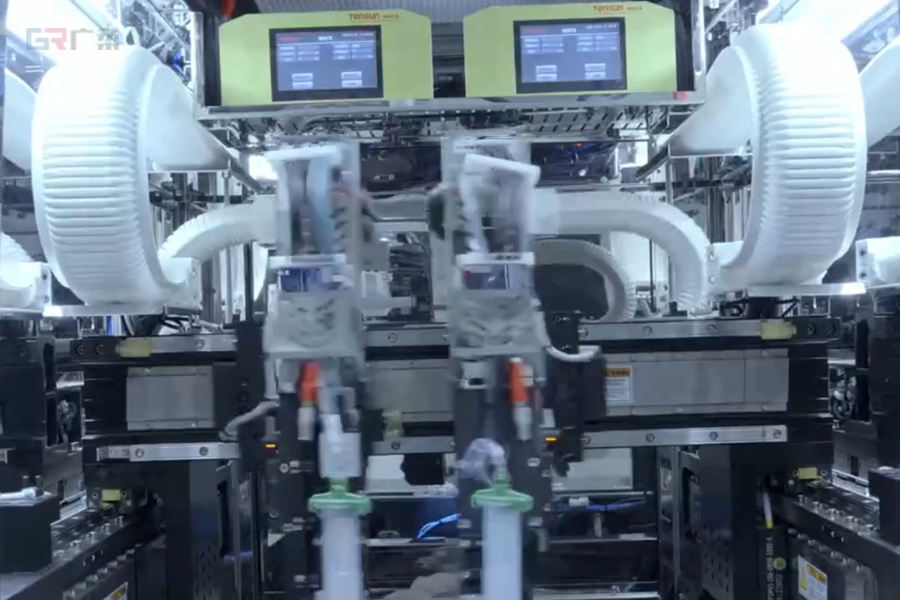
A Guide to Reliable Cable Systems in Sensitive Environments
In sensitive environments, the choice of a reliable cable system is crucial for maintaining operational integrity. When selecting a cleanroom cable moving system, consider factors such as compatibility with cleanroom specifications and the type of materials used. A drag chain factory should provide options that meet ISO standards for cleanliness and are resilient against abrasion and chemicals. The drag chain’s design should minimize dust generation while allowing for efficient cable management with reduced maintenance needs. Furthermore, evaluating the system’s anti-static properties is essential to mitigate electrostatic discharge risks that could jeopardize sensitive equipment. Careful assessment of these aspects ensures optimal performance in environments where contamination control is paramount.
Conclusion
In conclusion, selecting the right cleanroom cable moving system and cleanroom-approved cable carriers is critical for ensuring efficiency and performance in sensitive environments. It is imperative to thoroughly assess the various factors discussed earlier, such as cleanroom standards, material properties, and system compatibility. Each component of the cable management solution should be capable of withstanding the unique challenges presented by cleanroom conditions. Regular maintenance and inspection of these systems further enhance reliability and reduce downtime. By adhering to these guidelines, organizations can safeguard their automation processes while maintaining stringent cleanliness protocols essential for the integrity of their operations.
FAQs
What is the importance of cleanroom standards in cable moving systems?
Cleanroom standards ensure that cable moving systems minimize particulate contamination, which is critical for maintaining the integrity of sensitive processes.
How do I determine the right size for cleanroom-approved cable carriers?
Assess the dimensions and bend radius of the cable bundles you plan to use, as these factors influence compatibility with the drag chain and overall system performance.
What maintenance practices should be implemented for cleanroom cable carriers?
Regular inspections to check for wear and tear, coupled with timely cleaning, are essential to maintain functionality and prolong system life.
Can static electricity affect cleanroom operations?
Yes, static electricity can lead to electrostatic discharge that may damage sensitive equipment; therefore, choosing anti-static components is crucial.
What materials are recommended for cleanroom cable moving systems?
Materials that resist chemicals and abrasion while minimizing particle shedding are advisable to ensure durability and compliance with cleanliness standards.
Contact Guangrou for a clean room drag chain solution.