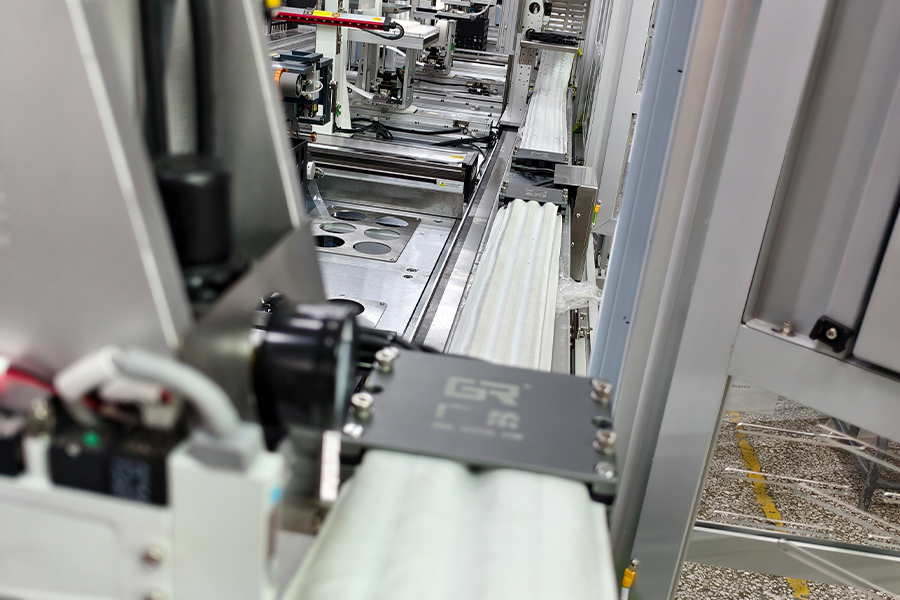
Optimizing Automation: The Essential Role of Drag Chains in All-in-One Moving Cable Systems
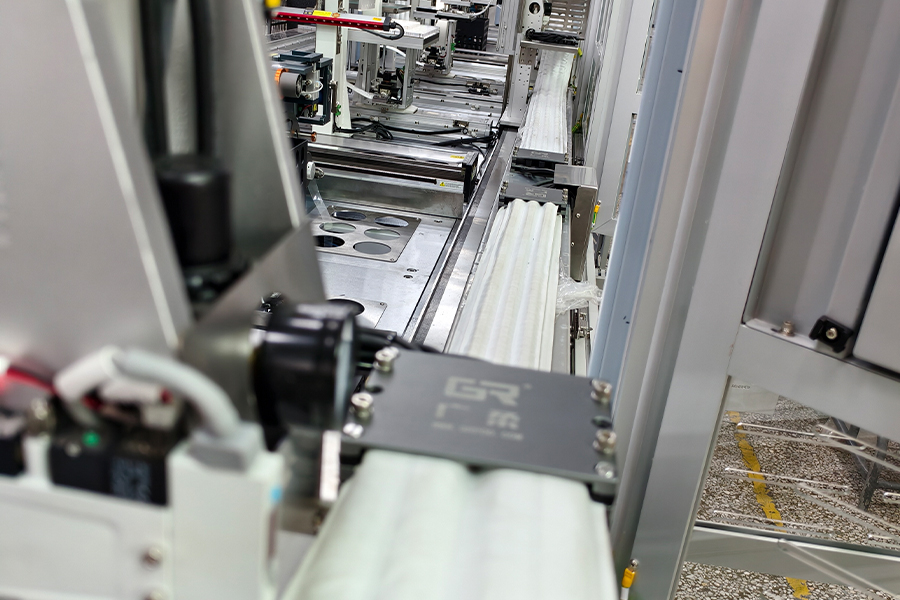
Understanding the role of drag chains within all-in-one moving cable systems is essential for optimizing automation. These components not only serve to protect cables and hoses but also streamline operations by facilitating organized movement. Proper integration of drag chains requires attention to load capacities and bending dynamics, elements that impact the overall efficiency of automated processes. Regular maintenance and thoughtful selection based on application requirements ensure longevity and performance efficacy. By adopting best practices, businesses can enhance operational reliability, reduce downtime, and maintain consistent workflow in their automated environments.
Maximizing Efficiency: The Impact of Drag Chains in All-in-One Moving Cable Systems
Drag chains play a pivotal role in enhancing the operational efficiency of all-in-one moving cable systems. By securely housing cables, hoses, and pipes, they minimize the risks of wear and tear, which can lead to costly downtime and maintenance issues. The design of drag chains allows for smooth movement along with robotic arms or automated machinery, ensuring that cables remain tangle-free even during complex operations. Furthermore, the ability to provide a clean and organized pathway for these elements not only improves workflow but also facilitates faster installation and replacements.
Effective integration of drag chains requires an understanding of their load capacities and movement dynamics. Using the right specifications ensures that cables can flex without constraints, reducing stress and prolonging their lifespan. Below is a table illustrating key suitability factors for selecting drag chains in all-in-one systems:
| Factor | Description | Impact on Efficiency |
|---|---|---|
| Load Capacity | Maximum weight drag chain can support | Prevents overload issues |
| Bend Radius | Radius required for smooth cable movement | Affects cable longevity |
| Chain Length | Total length needed for the application | Ensures adequate coverage |
| Material | Type (plastic or steel) determines durability | Influences lifespan |
Selecting appropriately sized drag chains tailored to specific applications leads to seamless automation processes. A well-implemented drag chain system not only protects vital components but also contributes significantly to operational productivity by reducing maintenance needs and enhancing the safety of automated tasks.
Enhancing Operational Excellence with Drag Chains in Automation
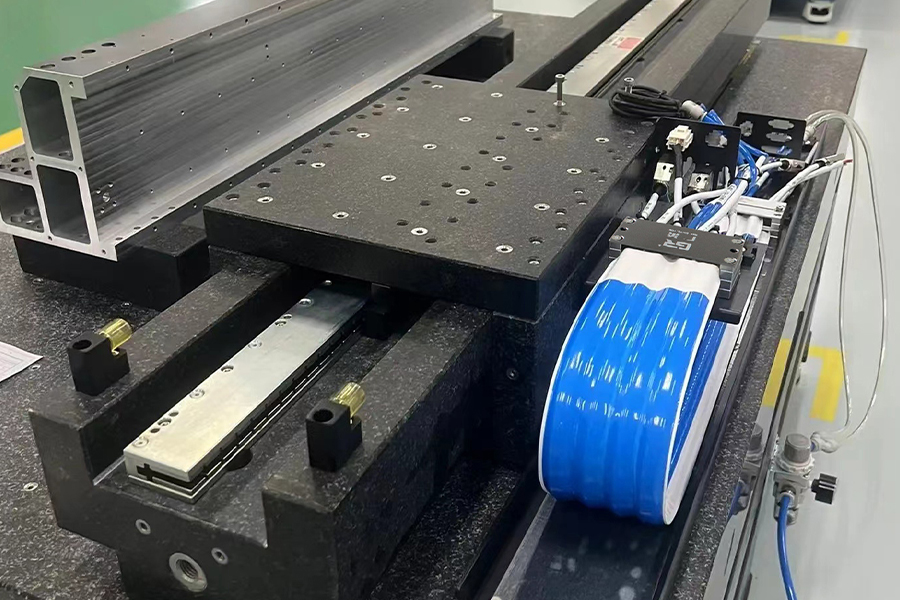
Drag chains play a crucial role in enhancing operational efficiency within automated environments. Specifically designed to safeguard and manage moving cables, these systems reduce wear and tear, thus extending the lifespan of essential components. In sectors that demand precision, such as cleanrooms, utilizing a well-engineered drag chain can prevent contamination and ensure uninterrupted workflows. A reputable drag chain factory typically focuses on crafting robust solutions tailored to the specific requirements of all-in-one moving cable systems. When selecting a drag chain manufacture, it is vital to consider aspects such as material durability and compatibility with existing setups. Proper integration of these components facilitates smoother operations by minimizing cable tangling and damage, ultimately resulting in reliable performance throughout various industrial applications.
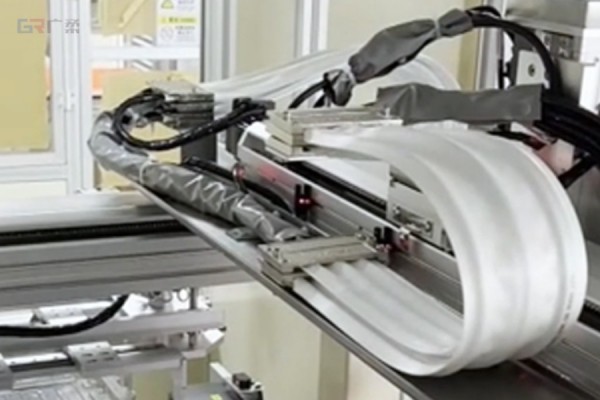
The Integral Function of Drag Chains in All-in-One Cable Solutions
Drag chains play a crucial role in all-in-one moving cable systems by providing protection and organization for various cables, hoses, and pipes. These systems are engineered to facilitate smooth movement while preventing wear and tear, reducing the likelihood of cable damage. As industries increasingly adopt automation technologies, the need for reliable methods to manage cables becomes paramount. Drag chains ensure that cables are arranged correctly, minimizing tangling and promoting efficient operations. Proper installation of these chains not only safeguards the integrity of the cables but also enhances overall system performance. Maintenance best practices further prolong their lifespan, making them a vital component in optimizing automated processes across diverse industrial applications.
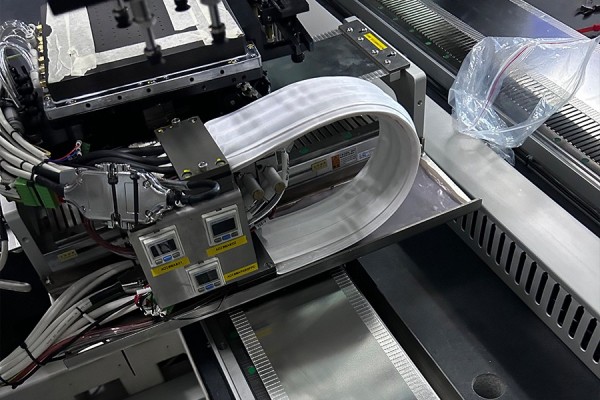
Best Practices for Integrating Drag Chains into Moving Cable Systems
When integrating drag chains into moving cable systems, it is essential to consider factors such as cable type, environment, and the specific application. Firstly, selecting the right drag chain that suits the type of cables being used is vital. These can include power cables, communication lines, or pneumatic hoses. Ensuring compatibility will minimize wear and tear. Secondly, proper installation methods must be followed to prevent kinks or bends that can lead to damage or reduced efficiency. This includes maintaining an adequate bend radius and securing the drag chain properly along its path. Consulting a reputable drag chain factory can provide insights into recommended practices and tailor solutions for specific setups. Finally, regular maintenance checks should be conducted to identify wear early on and replace any components that could affect performance. Through these best practices, the effectiveness of drag chains within moving cable systems can be optimized for reliable automation operations.
Conclusion
In conclusion, drag chains are essential for the effective operation of all-in-one moving cable systems, contributing to enhanced durability and efficiency. Their role in providing protection against wear and tear cannot be overstated, as they prevent potential downtime caused by cable damage. By enabling organized movement and minimizing the risk of tangling, drag chains facilitate smoother automation processes across various industrial applications. Proper selection, installation, and maintenance of these systems are crucial for optimizing performance. Adhering to best practices ensures that businesses can achieve reliable automation solutions while prolonging the lifespan of essential cables and components.
FAQs
What are drag chains, and why are they important in moving cable systems?
Drag chains are protective barriers that hold and guide cables and hoses in motion. They are crucial because they prevent wear and tangling, leading to improved efficiency in automated applications.
How do drag chains reduce maintenance needs?
By providing a secure pathway for cables, drag chains minimize physical stress and friction. This protection helps reduce the chances of cable damage and associated maintenance.
What factors should I consider when selecting a drag chain?
Key factors include load capacity, bend radius, chain length, and material type. Each of these aspects influences the effectiveness and longevity of the drag chain within specific applications.
How can proper installation improve the performance of drag chains?
Correct installation ensures that drag chains operate smoothly without kinks or bends. Following recommended guidelines prevents excessive wear on cables, thereby maintaining operational efficiency.
What maintenance practices can enhance the lifespan of drag chains?
Regular inspections for wear, ensuring lubrication where necessary, and timely replacements of damaged components are essential practices to prolong the life of drag chains in moving cable systems.
Contact Guangrou for a clean room drag chain solution.