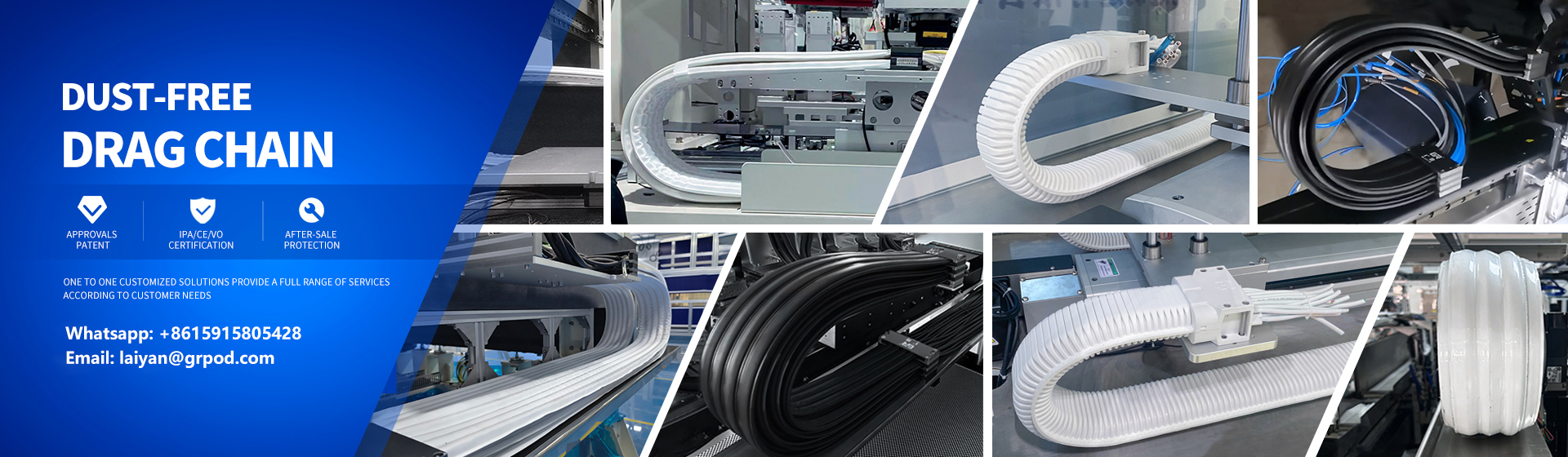
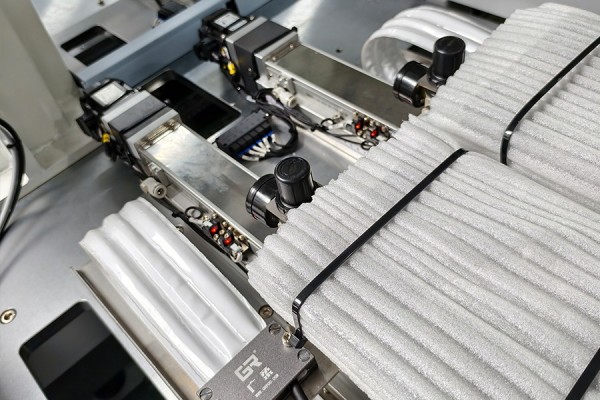
Optimizing Industrial Efficiency with Reliable Drag Chains
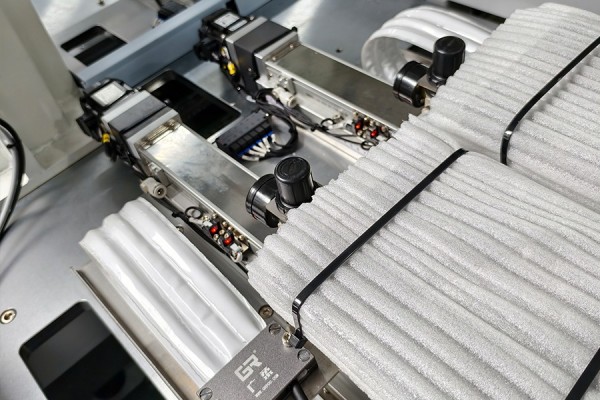
Implementing drag chains in industrial settings offers significant advantages, primarily by streamlining operations and enhancing cable protection. With their structured design, drag chains minimize cable wear, effectively extending lifespan and reducing maintenance needs. It is critical to prioritize high-flex cables that can withstand the dynamic motion typical in these systems. Furthermore, careful installation is essential to prevent common errors that may lead to early failures. Regular monitoring of drag chains and adherence to best practices contribute to ongoing efficiency and reliability. Organizations that embrace these principles will likely experience improved productivity and a more resilient operating environment.
Enhancing Operational Excellence with Drag Chains
Drag chains play a crucial role in optimizing operational efficiency in industrial environments. These systems facilitate the smooth movement of cables and hoses, significantly reducing wear and tear. By using products from a reliable drag chain factory, organizations can ensure that they are getting high-quality chains designed for durability and performance.
Properly designed drag chains not only offer protection for essential cables but also contribute to operational speed by minimizing interruptions caused by cable tangling or damage. This reliability allows for more streamlined workflows, as machinery can function without unexpected halts. As companies increasingly rely on automation, the implementation of efficient cable carriers becomes indispensable for maintaining high productivity levels in production lines.
In addition, regular maintenance and monitoring of drag chains can further enhance their performance, preventing potential issues before they escalate into costly downtimes. With a focus on these best practices, industries can leverage the full benefits of drag chains while ensuring seamless operational excellence.
Benefits of Cable Carriers in Industrial Automation
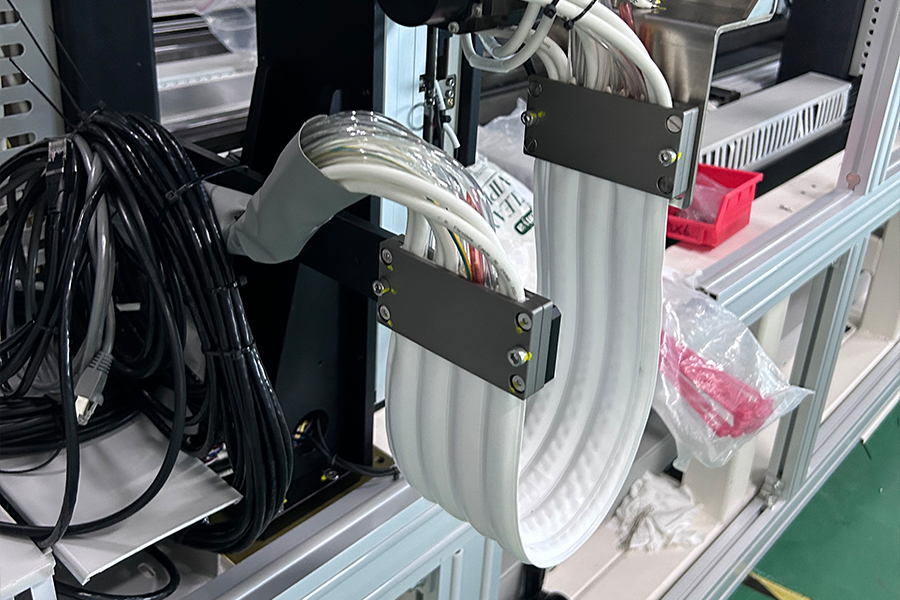
Cable carriers, often referred to as drag chains, play a crucial role in the realm of industrial automation by providing a protective housing for cables and hoses. These assemblies are designed to minimize wear and tear during movement, significantly reducing maintenance needs and operational downtime. By efficiently managing cable routing, drag chains ensure that vital components are safeguarded from physical damage, which can arise from friction or environmental factors.
According to industry standards, "An effective drag chain manufacture focuses on delivering durability and adaptability." This attention to quality increases the reliability of automation systems, allowing for smoother operation and fewer disruptions. Implementing cable carriers not only lengthens the service life of cables but also enhances overall machinery performance. Employers who prioritize these components often see improved productivity and a more streamlined workflow, reinforcing the importance of cable carriers in automation practices.
When selecting cables for use with drag chains, it is essential to choose high-flex options that can withstand repeated bending without compromising integrity. Following proper installation procedures further amplifies their benefits, ensuring these systems operate efficiently over time.
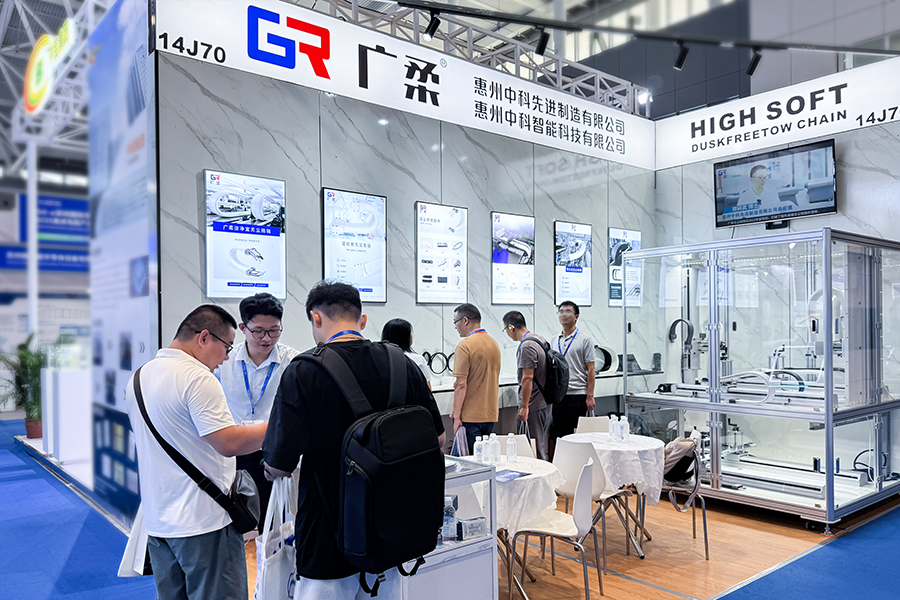
Common Cable Failure Causes in Drag Chain Systems
Cable failures in drag chain systems can often be traced back to a few key issues. One significant cause is the use of low-flex cables, which are unable to withstand the repeated bending and flexing that occurs in a drag chain. These cables are susceptible to damage from tensile and compressive forces, leading to premature wear. Additionally, installation errors play a critical role in cable durability. Improper uncoiling or incorrect tensioning during installation can create additional strain on the cables, resulting in reduced lifespan and increased risk of failure. By understanding these common pitfalls, operators can take proactive measures to enhance cable longevity and system reliability.
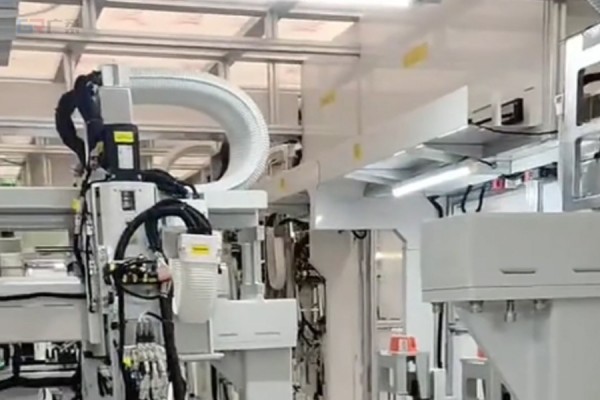
Best Practices for Installing Cable Drag Chains
To ensure optimal performance of cable drag chains, it is essential to follow a few best practices during installation. First, choose the appropriate drag chain type for your specific application, such as a cleanroom drag chain for environments requiring strict cleanliness. Properly assess the path of the cables to prevent sharp bends which can lead to wear and tear. Additionally, when uncoiling cables, make sure they are done correctly and free of twists or tangles to prevent undue strain. It’s important to maintain correct tension; both excessive tension and slack can cause failure over time. Finally, regular inspection and maintenance should be scheduled to identify any early signs of wear or misalignment. By adhering to these practices, operators can significantly extend the service life of their cable drag chains and the cables they protect.
Conclusion
In conclusion, the significance of cable carriers, or drag chains, in enhancing industrial operations cannot be overstated. These systems offer vital protection for cables and hoses while improving overall equipment efficiency. By minimizing the risk of cable failure and ensuring smooth movements within machinery, drag chains facilitate higher productivity levels. Furthermore, implementing best practices in their installation and maintenance promotes longevity and reliability in systems reliant on automation. As industries continue to advance, leveraging the full potential of drag chains will remain essential for sustained operational excellence.
FAQs
What types of cables are best suited for drag chains?
High-flex cables are recommended for use in drag chains as they can endure the continuous bending and flexing required in dynamic applications without losing integrity.
How often should cable drag chains be inspected?
Regular inspections should be conducted at least once every few months, focusing on wear signs, misalignment, and overall condition to prevent unexpected failures.
What are common installation mistakes that can affect cable longevity?
Common mistakes include improper uncoiling of cables, incorrect tensioning, and allowing sharp bends during installation, all of which can lead to premature wear and cable failure.
Can drag chains improve the efficiency of automated systems?
Yes, by providing organized cable management and protection from damage, drag chains enhance the reliability of automated systems, leading to smoother operations and increased productivity.
What maintenance practices can extend the lifespan of cable drag chains?
Routine cleaning of the chain and ensuring it remains free from debris, along with checking for wear or damage regularly, can significantly improve longevity and performance.
Contact Guangrou for a clean room drag chain solution.