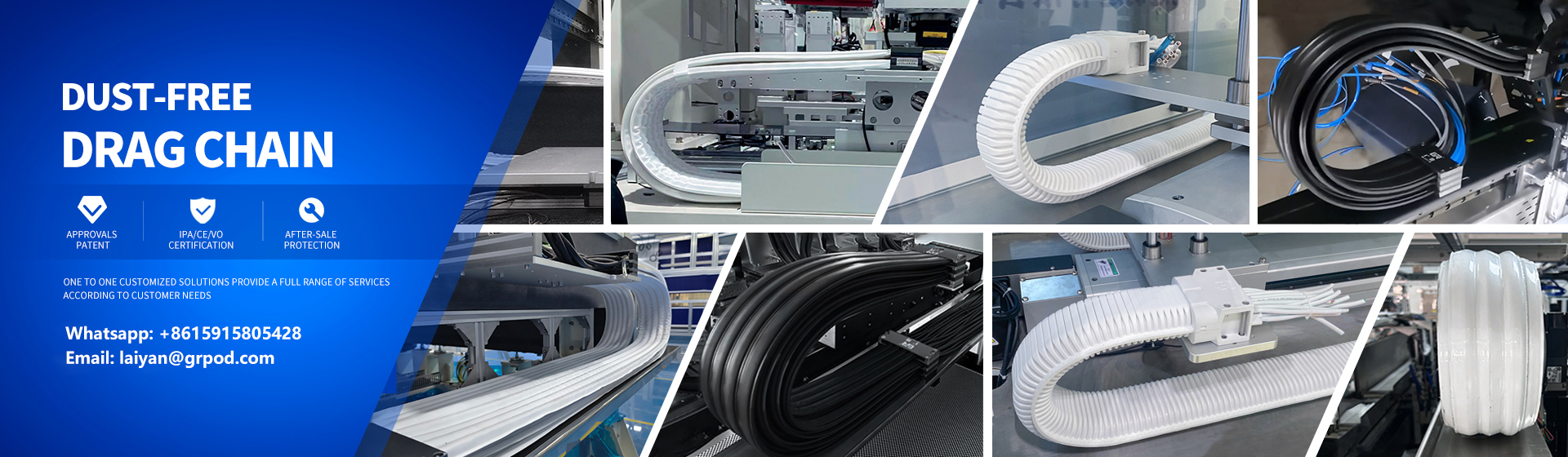
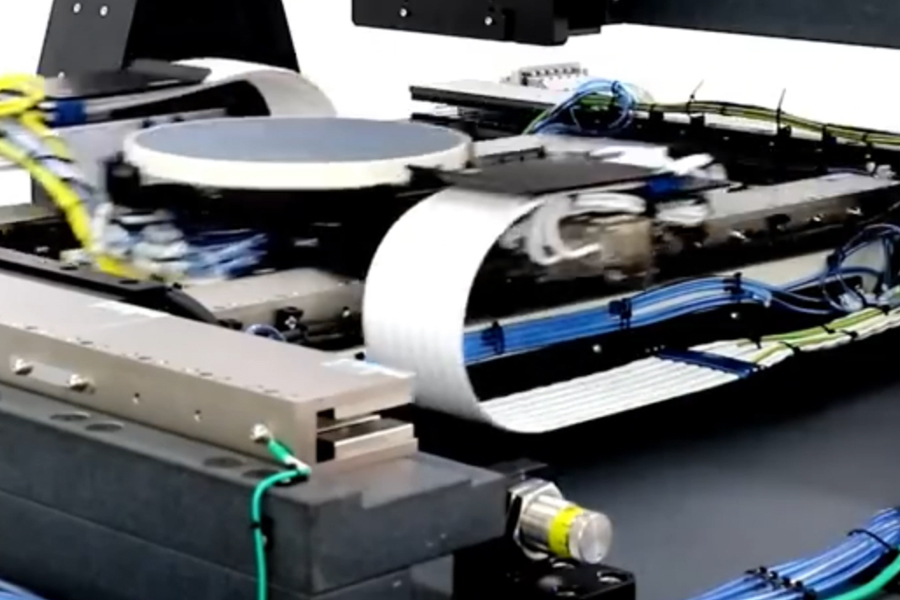
What is a drag chain and its role in industrial applications
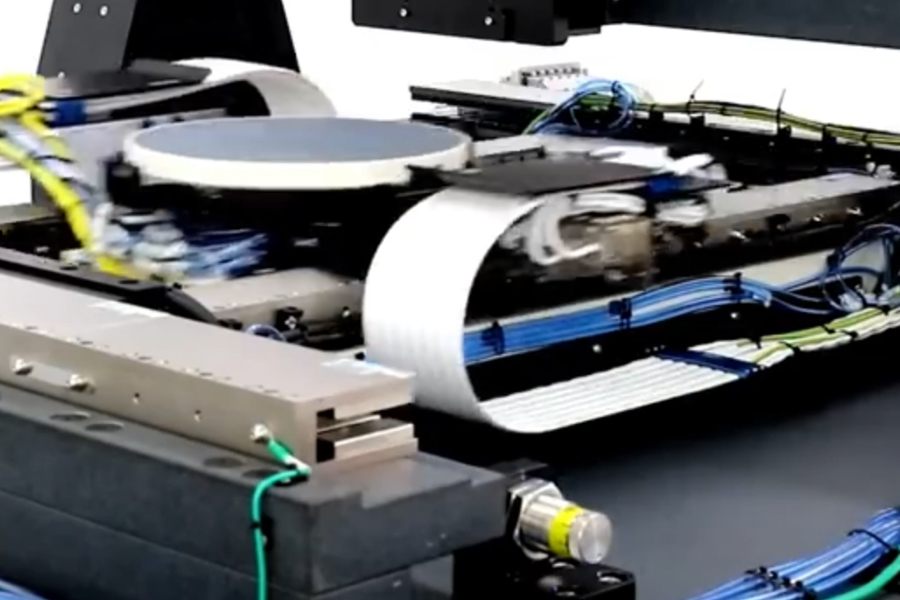
Drag chains are crucial in industrial settings for the protection and management of cables, hoses, and pipes. Their design allows for effective cable organization while preventing wear and damage during machine operation. By creating a structured pathway, drag chains enhance operational reliability, particularly in dynamic environments where movement is frequent. Additionally, utilizing the right materials, such as durable plastics or metals, can lead to increased longevity and performance of drag chains. This directly contributes to improved efficiency and reduced maintenance needs, making them invaluable in automation and robotics applications. Their role in safeguarding vital components not only supports seamless workflows but also ensures that machinery can operate effectively under various conditions.
Understanding Drag Chains and Their Importance in Industrial Settings
Drag chains are essential components in various industrial applications, serving to protect and manage vital cables, hoses, and pipes. Their construction typically consists of interconnected links designed from either plastic or metal, resulting in a robust yet flexible pathway for moving parts. When integrated into a machine, one end of the drag chain is anchored to a fixed point, while the opposite end is attached to the moving element. This design ensures that as the machinery operates, the drag chain can navigate smoothly along its designated path, minimizing wear on cables and hoses.
The significance of drag chains extends beyond mere protection; they contribute greatly to operational efficiency. By keeping cables organized and free from entanglement or damage, they reduce maintenance needs and downtimes caused by cable management issues. Selecting the right drag chain manufacture tailored for specific requirements is crucial for optimizing performance in automation systems. For example, in dynamic environments where movement is frequent and unpredictable, specialized drag chains can enhance both function and longevity.
| Aspect | Description |
|---|---|
| Material | Options include plastic or metal |
| Functionality | Protects cables, hoses, and pipes |
| Application | Industrial automation and robotics |
| Customization | Tailored options from various manufacturers |
| Efficiency Benefits | Reduces maintenance and operational downtimes |
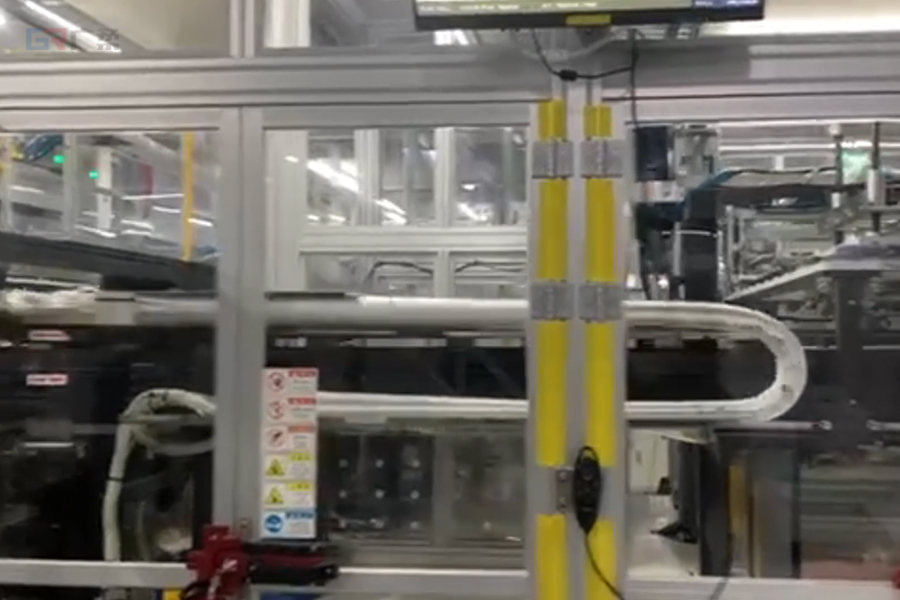
The Function of Cable Drag Chains in Automation and Robotics
Cable drag chains are integral to the functionality of automation and robotics. They ensure the safe movement of cables and hoses, which is critical for machine operation in dynamic environments. By providing a designated pathway, drag chains prevent tangling and wear on essential components, thereby enhancing operational efficiency. When selecting a drag chain manufacture, it’s important to consider the material and design suited for the specific application. Construction materials such as high-quality plastics or metals allow for durability and flexibility during operation. Furthermore, their design incorporates features that adapt to varied movements within machinery, reducing the risk of cable damage. This capability is vital in environments where precision and reliability are paramount, thereby supporting continuous workflows in industrial automation processes. The role of cable drag chains extends beyond merely holding cables; they provide a structured solution that significantly impacts equipment performance and longevity.
Enhancing Efficiency: The Role of Drag Chains in Industrial Applications
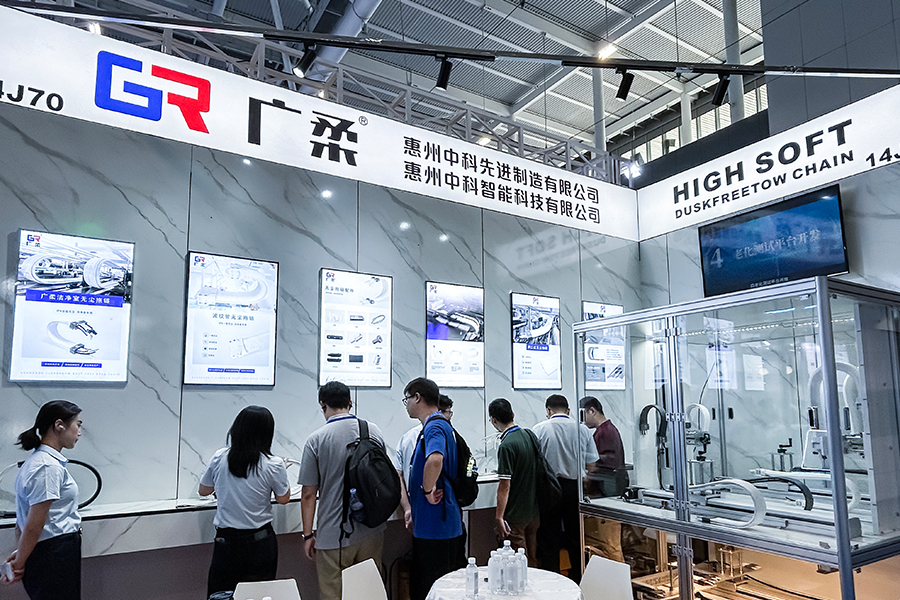
Drag chains serve a fundamental purpose in industrial applications by ensuring the efficient management of cables and hoses. They provide a reliable pathway for moving components, thus preventing entanglement and wear. In settings like cleanrooms, the use of a cleanroom drag chain is crucial as it meets strict cleanliness standards while safeguarding sensitive equipment from potential contaminants. By utilizing a drag chain factory’s products, businesses can obtain solutions tailored to their specific operational needs.
These systems not only improve organization but also enhance productivity. With a well-designed drag chain, the risk of downtime due to cable damage is minimized, which is vital in high-paced industrial environments. Effective cable management systems contribute significantly to equipment longevity and operational efficiency.
"Using high-quality drag chains can lead to substantial cost savings by reducing maintenance needs over time."
How Drag Chains Protect Cables, Hoses, and Pipes in Dynamic Environments
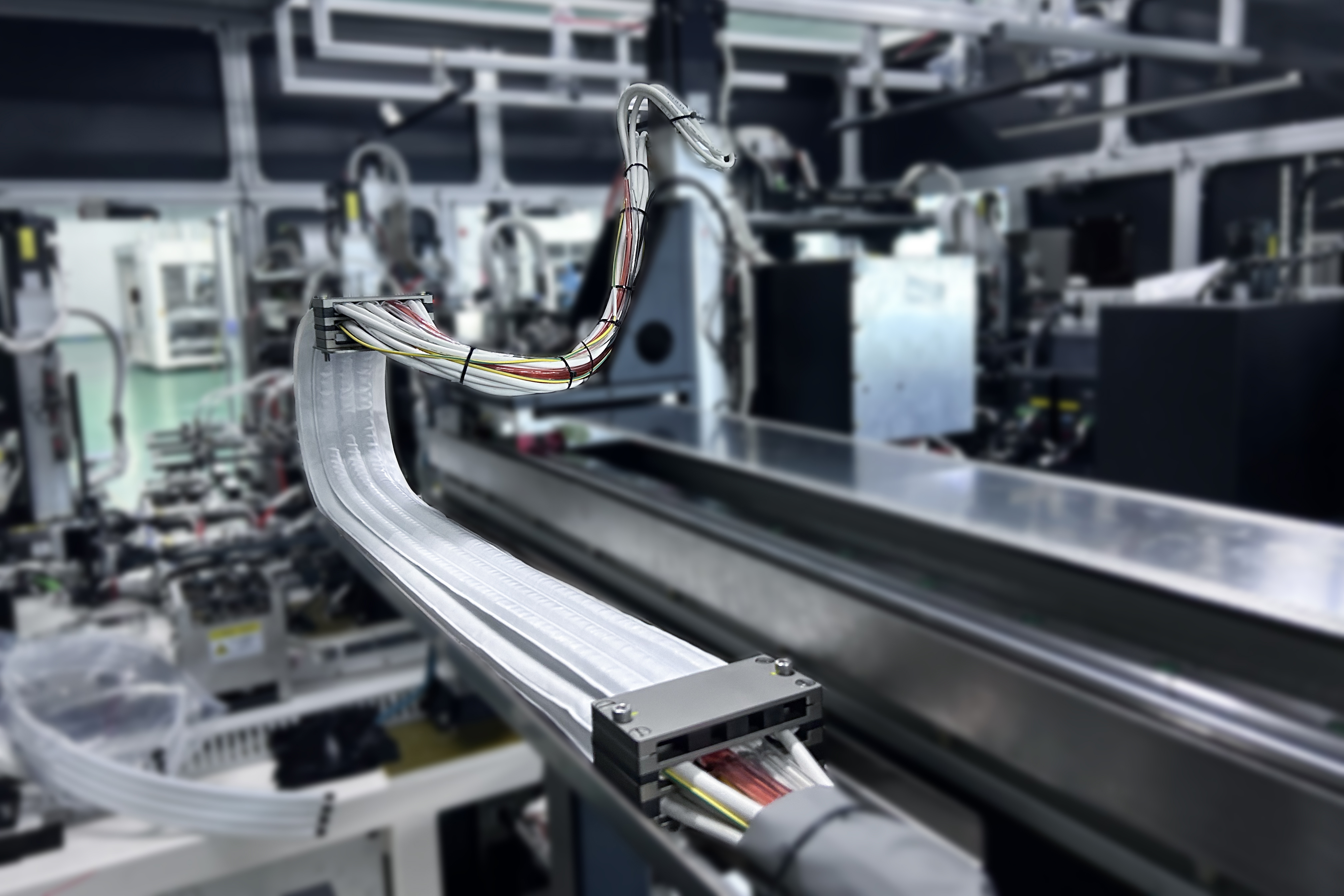
Drag chains play an essential role in ensuring the integrity of cables, hoses, and pipes within industrial settings characterized by movement and dynamic conditions. By providing a structured pathway, drag chains effectively manage the maneuvering of these components, reducing wear and tear during machine operation. The design of drag chains allows for flexible movement while maintaining a secure hold on cables and hoses, preventing tangling or snagging that could lead to damage. As machines operate, the drag chain follows a predetermined path, which helps to minimize stress on the components. This capability is particularly beneficial in applications where equipment must endure frequent motion or pivoting. Furthermore, the utilization of high-quality materials in drag chains increases their durability and resistance to environmental factors such as dust and moisture. By safeguarding these vital connections, drag chains not only enhance operational reliability but also contribute significantly to overall system efficiency in automation and robotics.
Conclusion
Drag chains are indispensable in maintaining the operational integrity of industrial environments. Their ability to protect and manage cables, hoses, and pipes ensures that critical components remain functional during machinery operation. By minimizing wear and preventing complications associated with entanglement, drag chains contribute to seamless workflows in automation and robotics. The choice of materials and designs tailored to specific needs greatly enhances their effectiveness and durability. As industries continue to adopt advanced automation technologies, the role of drag chains in fostering efficiency and reliability will only become more pronounced, solidifying their status as key elements in modern industrial applications.
FAQs
What materials are commonly used for drag chains?
Drag chains are typically constructed from either plastic or metal, depending on the specific application requirements.
How do drag chains improve efficiency in industrial settings?
By keeping cables and hoses organized and preventing tangling, drag chains reduce maintenance needs and downtime associated with cable management issues.
Are drag chains customizable for different machinery?
Yes, many manufacturers offer tailored options for drag chains to fit various machinery and specific operational needs.
What role do cable drag chains play in automation?
Cable drag chains facilitate the safe movement of cables and hoses, ensuring reliable operation of automated machinery in dynamic environments.
How do I choose the right drag chain for my application?
Selecting the appropriate drag chain involves considering factors such as material quality, design, and specific movement requirements of the equipment in use.
Contact Guangrou for a clean room drag chain solution.