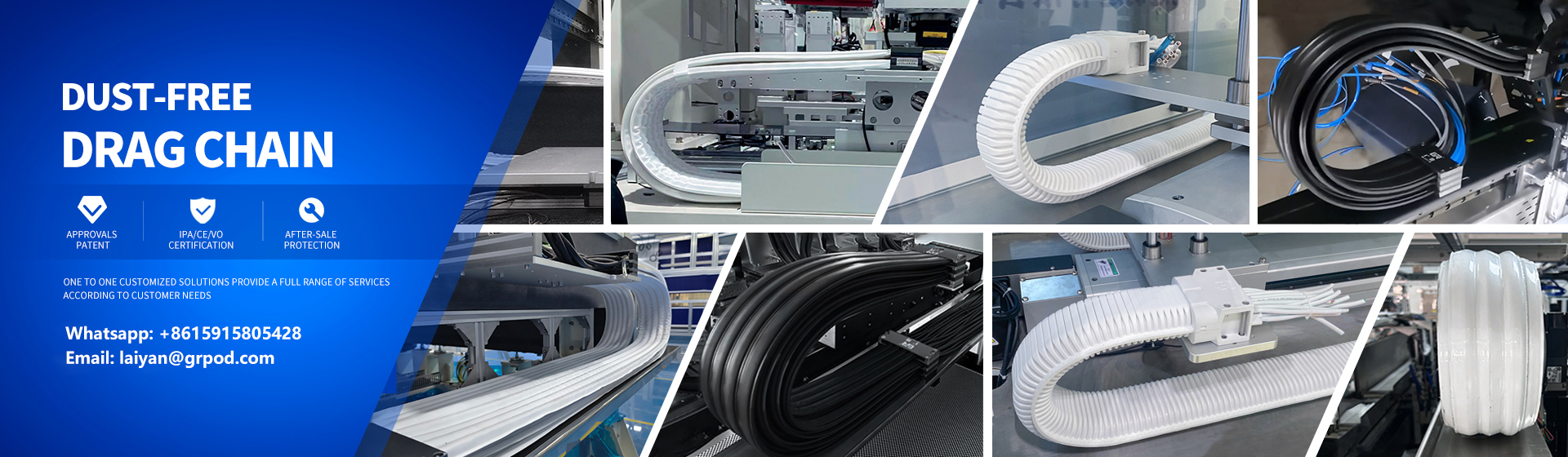
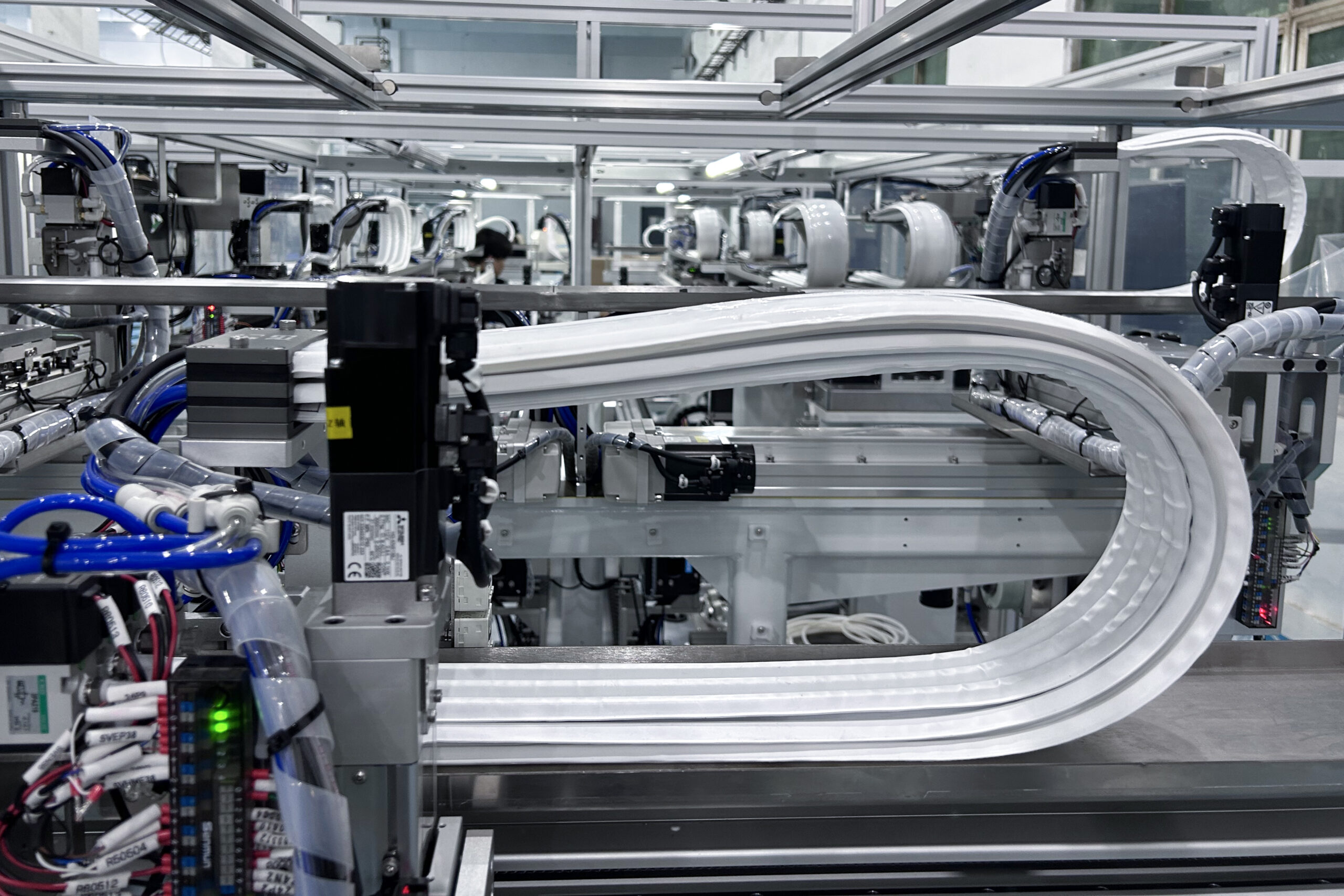
Enhanced Durability and Performance: The Role of Cable Carrier in Industrial Automation
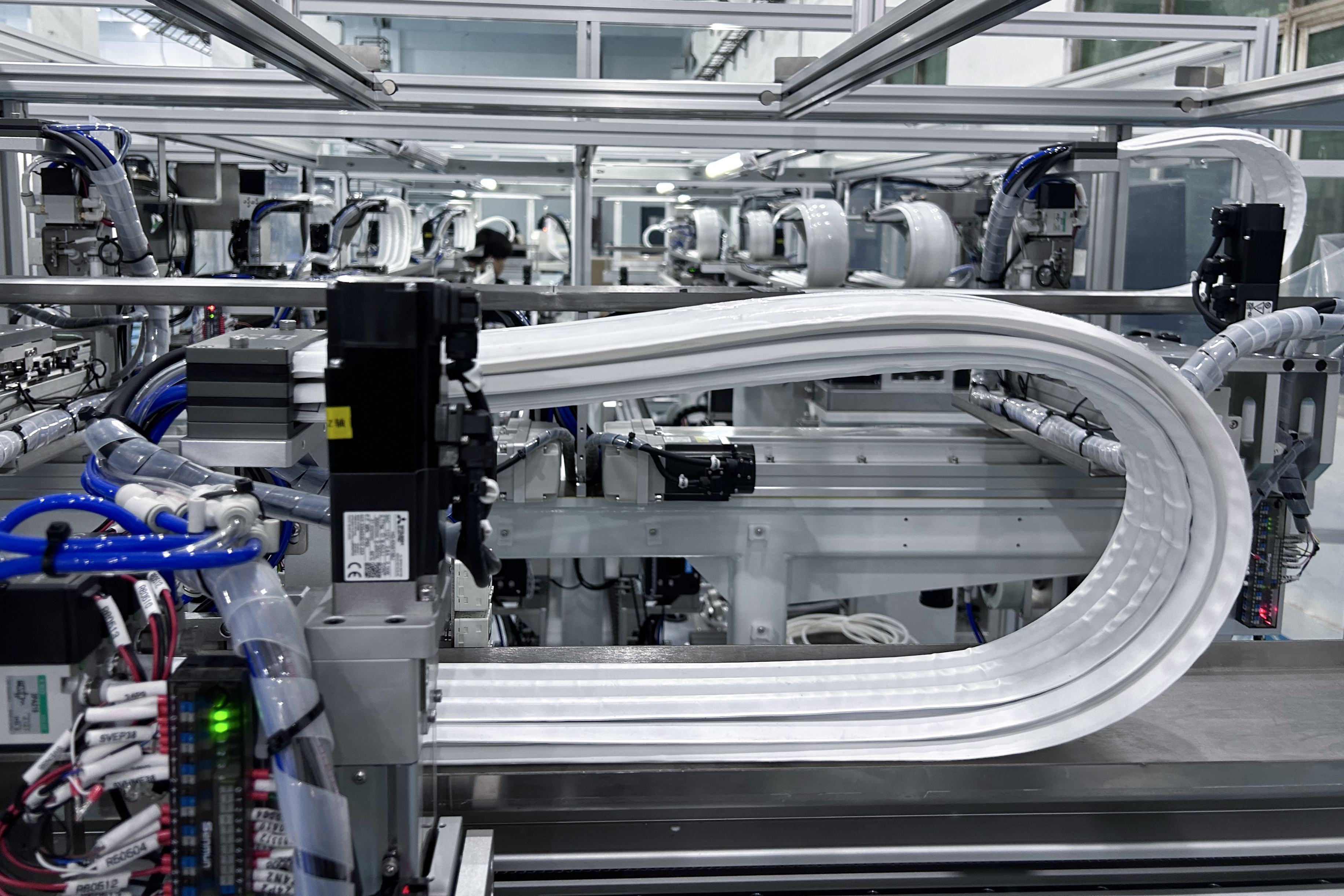
Understanding the significance of cable drag chains and their proper implementation is vital for any industrial automation system. These systems not only protect and organize cables but also directly influence operational efficiency. Proper selection of cables designed for consistent flexing is necessary to avoid premature wear and damage. Regular inspection and maintenance of installations help detect issues early, allowing for timely interventions that prevent costly downtimes. Additionally, collaborating with reputable manufacturers can provide valuable insights into optimal practices tailored to specific environments. Keeping these factors in mind enhances the durability of both cables and their support systems, ultimately improving overall productivity in industrial settings.
The Importance of Cable Drag Chains in Maximizing Automation Efficiency
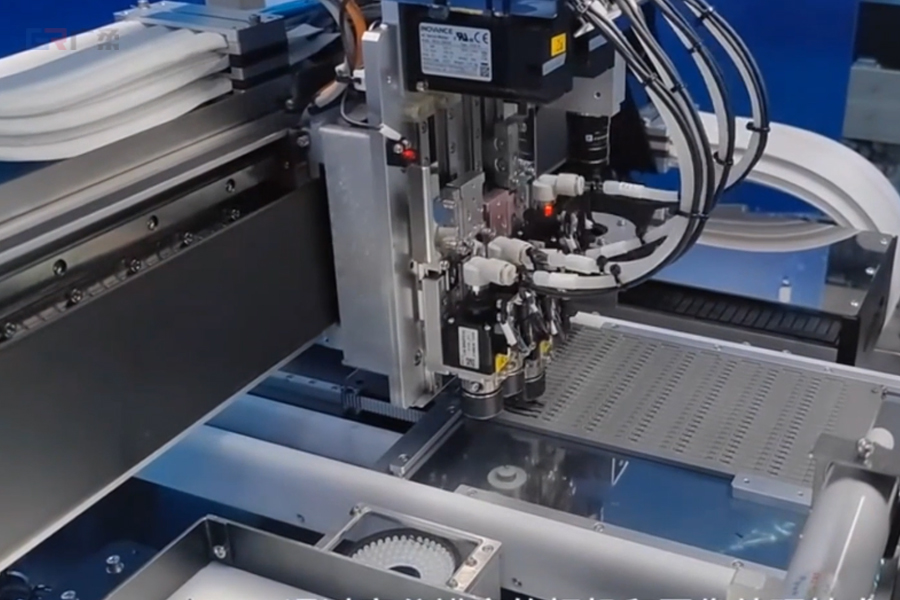
Cable drag chains play a crucial role in industrial automation by ensuring the efficient operation of moving cables and hoses. These systems house and protect cables from potential damage caused by bending or abrasion during movement, which is particularly vital in environments with high mechanical demands. The use of optimized materials in drag chains, especially those sourced from a reputable drag chain factory, enhances their durability and performance, accommodating continuous flexing without compromising the integrity of the cables.
By minimizing cable wear and reducing maintenance needs, businesses can avoid costly downtimes and extend equipment lifespan. Additionally, efficient drag chains help maintain the organization of workspaces by keeping cables tidy, thereby preventing safety hazards. Implementing properly designed cable carriers allows for smooth operations and contributes significantly to maximizing automation efficiency across various industrial applications.
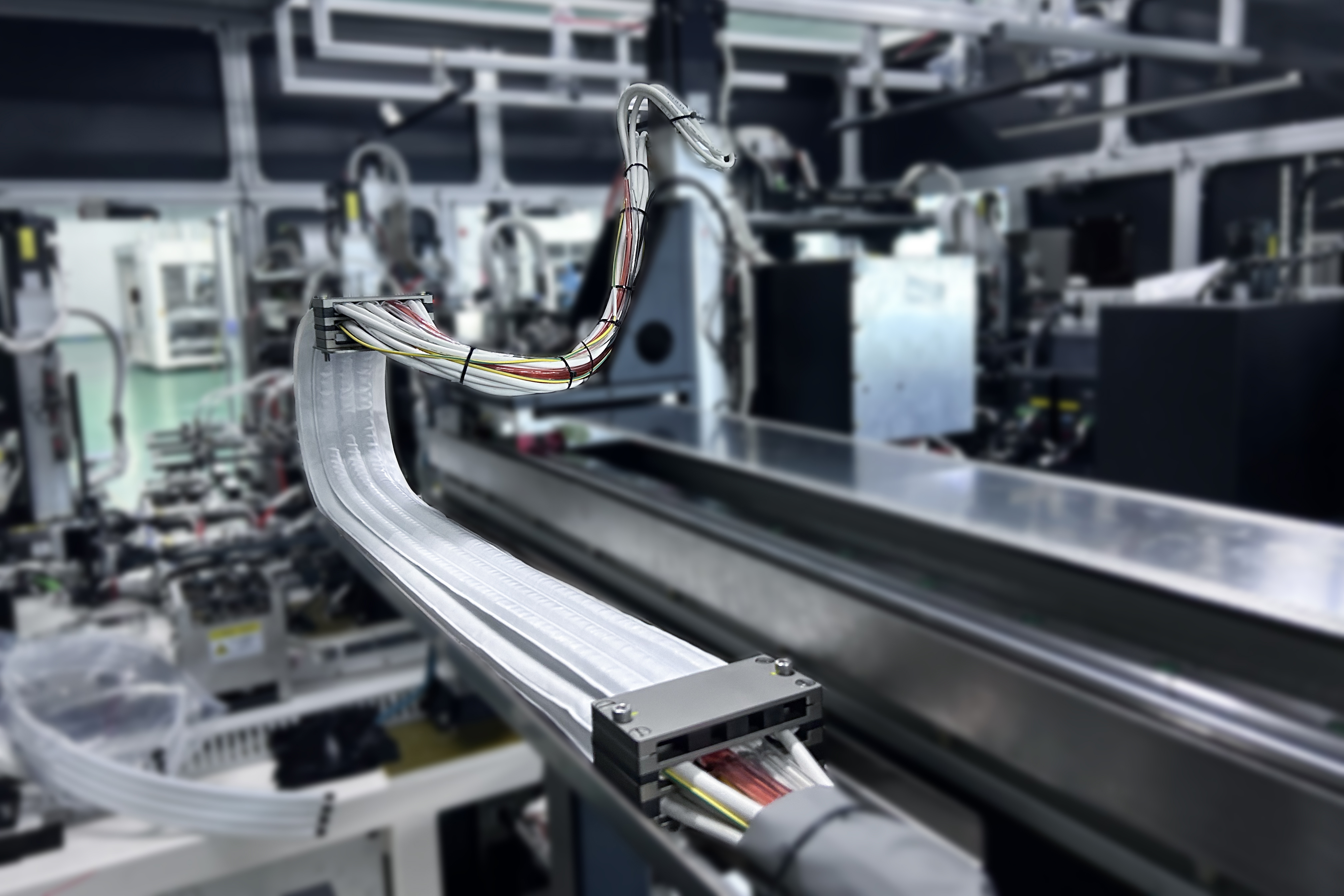
Key Features of Cable Carriers for Enhanced Performance in Industrial Settings
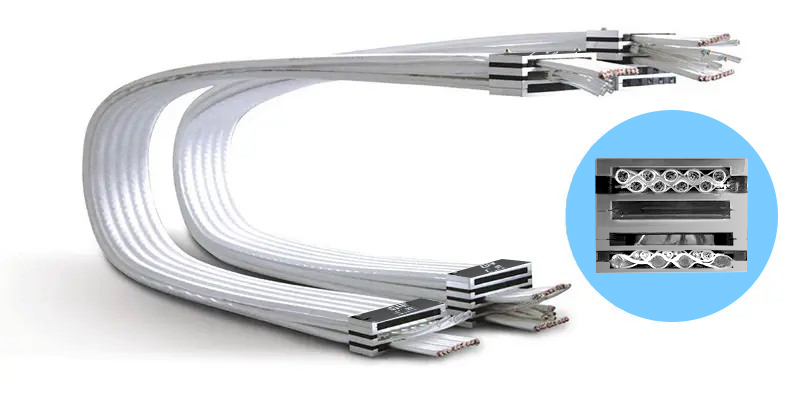
Cable carriers, particularly cleanroom drag chains, play a vital role in supporting efficient automation processes. One significant feature is their ability to manage multiple cables and hoses simultaneously, reducing clutter and minimizing the risk of tangling. Additionally, the construction materials used in these carriers are engineered for durability, allowing them to withstand high-flex applications without compromising performance. The design also incorporates features such as smooth inner surfaces, which facilitate easier movement and reduce friction on cables. This not only helps prolong the life of the cables but also improves overall operational reliability. Proper selection and implementation of cable carriers can lead to marked improvements in system performance, particularly in automated settings where consistent operation is critical. Furthermore, manufacturers now offer various sizes and configurations tailored to specific industry needs, ensuring optimal functionality across diverse applications.
Common Pitfalls in Cable Drag Chain Installation and How to Avoid Them
Proper installation of cable drag chains is essential for their optimal performance and longevity. One major issue arises from using low-flex cables that aren’t suitable for continuous movement. When these cables bend excessively within the drag chain, it can lead to damage, including broken outer coatings and fractured conductor strands. To mitigate this, always select cables specifically designed for flexing applications.
Additionally, common installation mistakes often stem from improper handling during uncoiling or incorrect tension settings. If cables are installed too tightly or loosely, it can significantly impair their functionality. "Regularly check cable tension and adjust accordingly to maintain performance," is a helpful guideline to follow during installation.
Moreover, working with a reputable drag chain manufacturer ensures that the components are compatible with the chosen cables and suited for the specific industrial environment. Investing in quality materials and paying attention to installation practices will ultimately extend the lifespan of both the drag chains and the connected cables.
Best Practices for Maintaining Cable Lifespan in High-Demand Environments
To extend the lifespan of cables in high-demand environments, proper maintenance and installation practices are essential. First, selecting the right type of cables that are specifically designed for continuous flexing is crucial. Low-flex cables can quickly deteriorate within drag chains, resulting in frequent replacements and increased downtime. Additionally, during installation, it is vital to uncoil cables properly and avoid excessive tension to prevent mechanical stress. Ensuring a correct layout of the cable within the drag chain enhances smooth movement and minimizes wear and tear. Regular inspections should be conducted to identify potential issues early on. Collaborating with a reputable drag chain manufacturer can provide valuable insights on specific recommendations tailored to your application, ensuring optimal cable performance in demanding conditions.
Conclusion
In conclusion, the integration of cable drag chains, or cable carriers, in industrial automation significantly enhances both the durability and performance of operations. By protecting cables from physical wear and optimizing their routing, these systems contribute to more efficient workflow and reduced maintenance. When navigating common installation challenges, adhering to best practices can prevent premature cable failures, ensuring a more reliable operational environment. The implementation of high-quality drag chains tailored to specific applications not only extends the lifespan of cables but also supports seamless automation, ultimately driving productivity in various industrial settings. Maintaining diligent attention to installation and maintenance protocols fosters a sustainable approach to managing cable infrastructure in demanding environments.
FAQs
What is a cable drag chain?
A cable drag chain, also known as a cable carrier, is a protective housing for cables and hoses that allows them to move freely without damage during operation.
Why are cable carriers important in industrial automation?
Cable carriers help maintain organization and protect cables from wear, which enhances the efficiency and reliability of automated systems.
What materials are typically used in the construction of cable drag chains?
Cable drag chains are often made from high-durability plastics or metals, designed to endure repeated bending and flexing.
How can I ensure the longevity of cables in drag chains?
Select cables specifically designed for high-flex applications and perform regular inspections to detect wear or damage early.
What common installation mistakes should I avoid?
Avoid using inappropriate cables that aren’t suited for flexing and ensure that cables are neither too tight nor too loose during installation.
How often should I perform maintenance on my cable carriers?
Regular maintenance checks should be conducted at intervals dependent on the operational environment, typically every few months, to ensure optimal performance.
Contact Guangrou for a clean room drag chain solution.