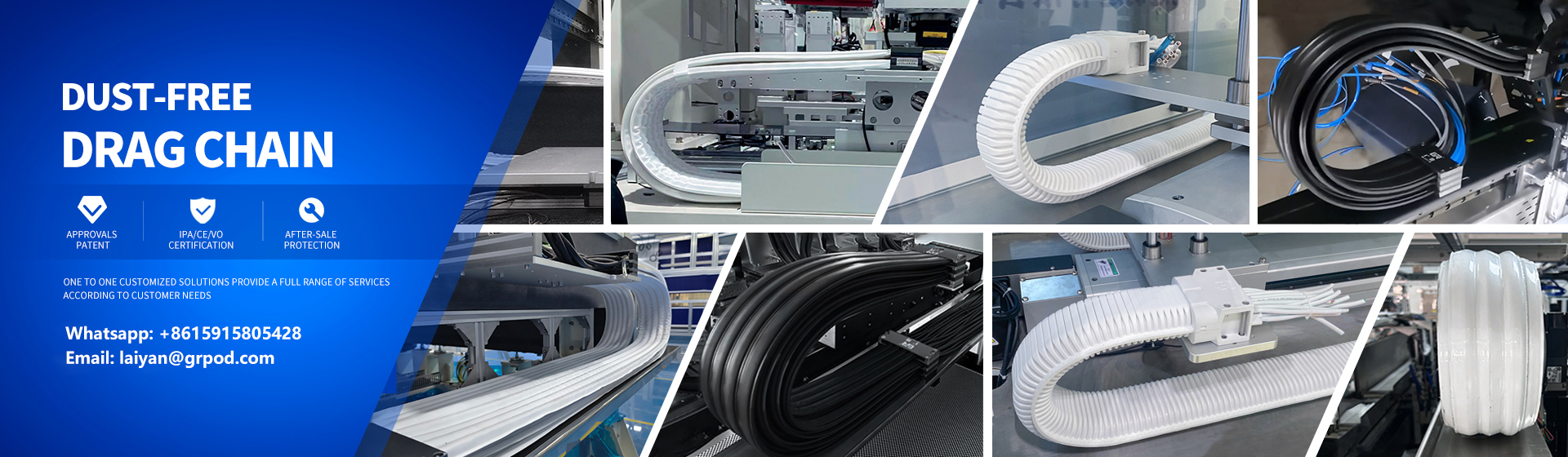

How to Choose the Right Cable Carrier for Your Automation Needs

Selecting the right cable carrier significantly influences automation project efficiency. Key considerations include environmental conditions, as the carrier must resist factors such as temperature fluctuations and dust exposure. Identifying the types and lengths of cables or hoses helps determine the appropriate size and configuration necessary for optimal performance. Additionally, opting for a modular design enhances flexibility, allowing for customization as project demands change. The load capacity of drag chains should be carefully evaluated to ensure safety and reliability in operation. Proper installation techniques are crucial; ensuring aligned components and secure mounting will mitigate wear over time. Regular maintenance checks also play a vital role in sustaining performance and prolonging service life within dynamic environments.
How to Select the Best Cable Carrier for Your Automation Projects
When selecting a cable carrier for your automation projects, it’s essential to assess several key factors. First, determine the environment in which the cable carrier will operate. Consider whether it will be exposed to extreme temperatures, dust, or moisture, which may dictate the need for specialized materials. Next, evaluate the length and type of cables or hoses that will be housed within the carrier; this helps identify the appropriate size and configuration.
"Choosing the right cable carrier means ensuring both functionality and protection for your cables."
A modular design is preferable as it allows customization based on specific application demands, making it adaptable for various setups. Pay attention to the load capacity of different drag chains to ensure they can handle the operational requirements without compromising safety or performance. Additionally, installation simplicity can significantly influence project timelines; opt for designs that facilitate straightforward assembly and disassembly.
Ultimately, balancing durability with flexibility can lead to optimal performance in your automation applications. Selecting a well-suited cable carrier ensures efficient management of energy resources while minimizing wear and tear on essential components.
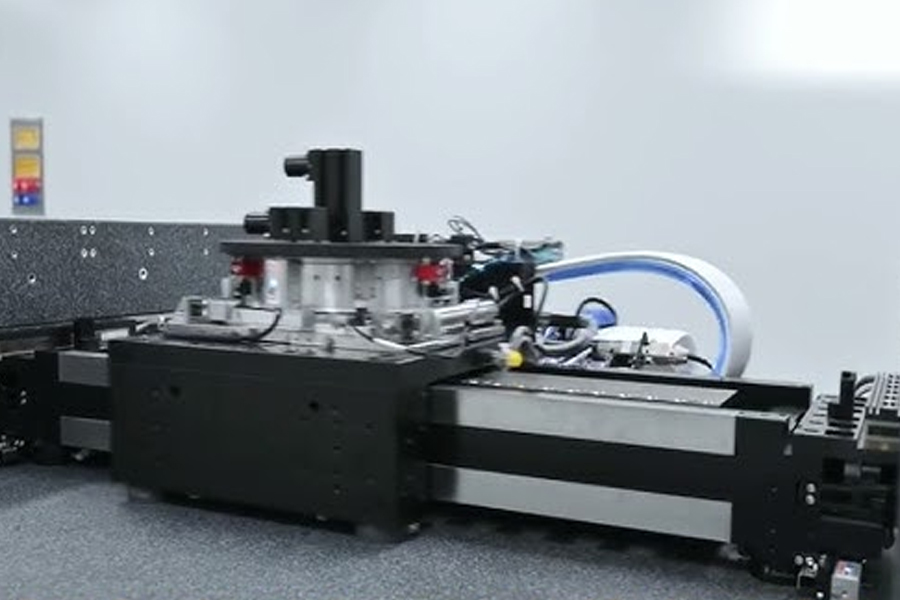
Key Features to Consider When Choosing Drag Chains for Industrial Applications
When selecting drag chains, several key features should be taken into account to ensure they meet the demands of your industrial applications. First, consider the size of the cleanroom drag chain. Options vary, and choosing the right size impacts installation and cable management efficiency. Additionally, look for a modular design that allows for easy customization; this is essential for adapting to different setups and optimizing space.
Compatibility with cable types is another important factor. Ensure that the drag chain can accommodate the specific cables and hoses used in your automation processes. Durability is crucial; high-quality materials from a reputable drag chain factory will enhance longevity and performance in dynamic environments, minimizing downtime due to maintenance.
Furthermore, pay attention to installation requirements. A straightforward assembly process can significantly reduce initial setup time, making it easier to integrate into existing systems. By addressing these features, you can select a drag chain manufacture that aligns with your operational goals while ensuring effective protection and management of moving cables within your facilities.
Essential Tips for Installing Cable Carriers in Your Automation Setup
When installing cable carriers, proper alignment and secure mounting are fundamental for optimal operation. Start by assessing the movement range of the cables and hoses before positioning the chain. Ensure that the drag chain is not too tight or too loose, which can lead to wear over time. Use mounting brackets that are compatible with your system to prevent any misalignment during operation. Additionally, consider integrating strain relief components to minimize stress on connections and prolong the lifespan of the cables. Regularly inspect cable carriers for signs of wear or damage, as preventive maintenance will enhance performance and reduce downtime in your automation projects.

Understanding Sizes and Customization Options for Optimal Cable Carrier Performance
When selecting a cable carrier, such as a cleanroom drag chain, understanding size and customization is essential for achieving optimal performance. Cable carriers are available in various sizes, typically defined by their height and width, which affect their carrying capacity. Common options include smaller profiles for compact spaces and larger profiles for more extensive setups. Additionally, modular design is a key feature that allows users to easily add or remove links, tailoring the length to fit specific applications. This flexibility is particularly beneficial in environments that require adaptability. A reputable drag chain factory can provide insights into the best configurations based on operational needs. By ensuring the right size and customization, users can enhance reliability and efficiency in their automation processes.
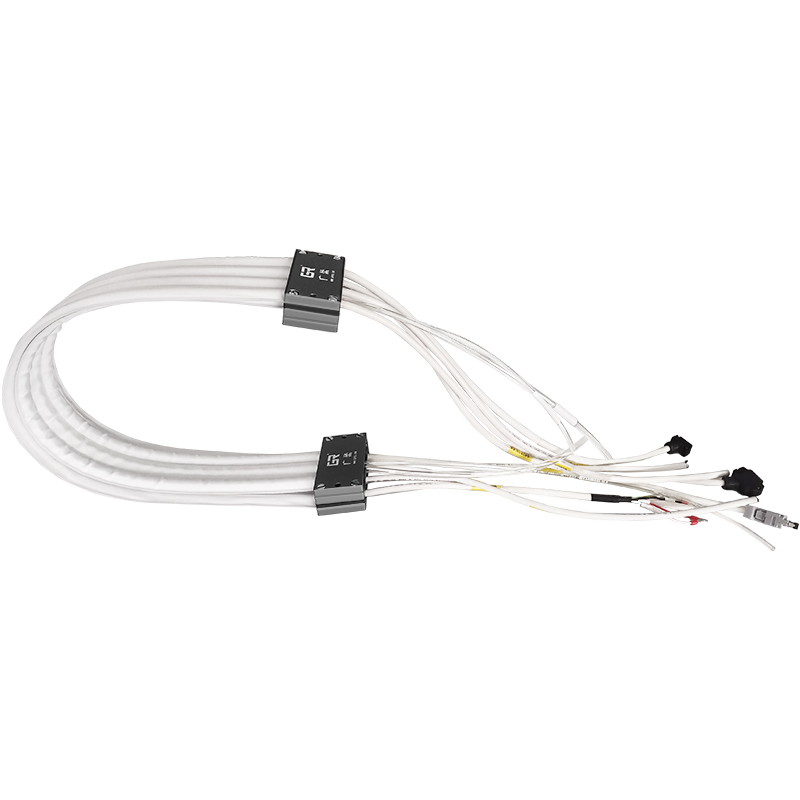
Conclusion
Selecting the right cable carrier for your automation needs is crucial for ensuring reliable performance and efficiency. By considering factors such as environmental conditions, cable types, and design features, you can make informed choices that enhance operational capabilities. The adaptability of modular designs and the importance of correct installation practices cannot be overstated; these aspects play a significant role in prolonging the life of both the carrier and the cables it houses. Regular maintenance checks also contribute to sustained functionality, minimizing the risks associated with wear and tear in dynamic environments. As you navigate your options, prioritize a balance between durability and flexibility to meet the specific demands of your industrial applications.
FAQs
What are the common materials used for cable carriers?
Cable carriers are typically made from materials such as nylon, polyurethane, and steel. These materials are chosen for their durability and ability to withstand various environmental conditions.
How do I determine the right size of a cable carrier?
To determine the right size, assess the dimensions of the cables or hoses that will be housed within it. Consider both height and width to ensure a proper fit without being too tight or loose.
Can I customize my cable carrier design?
Yes, many cable carriers feature modular designs that allow for customization. This enables you to adapt the length and configuration based on specific requirements.
What factors affect the load capacity of a drag chain?
The load capacity is influenced by factors such as material strength, design, and size. Always refer to manufacturer guidelines to ensure compatibility with your operational needs.
How often should I perform maintenance on my cable carrier?
It is advisable to inspect your cable carriers regularly for signs of wear or damage. Establishing a schedule based on usage can help prolong their lifespan.
Contact Guangrou for a clean room drag chain solution.