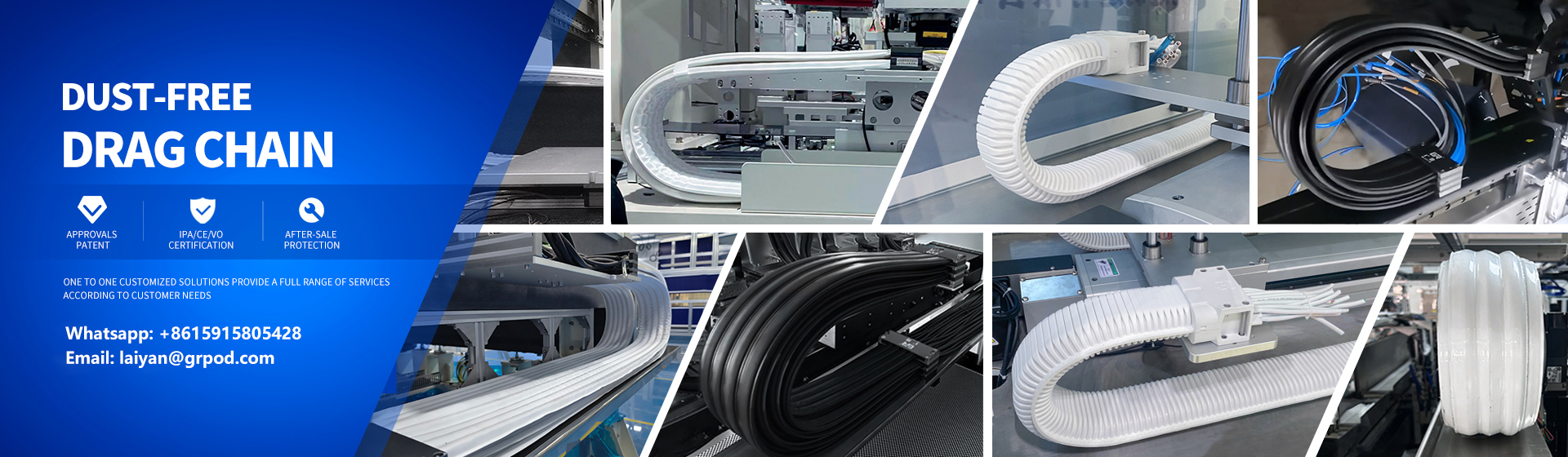
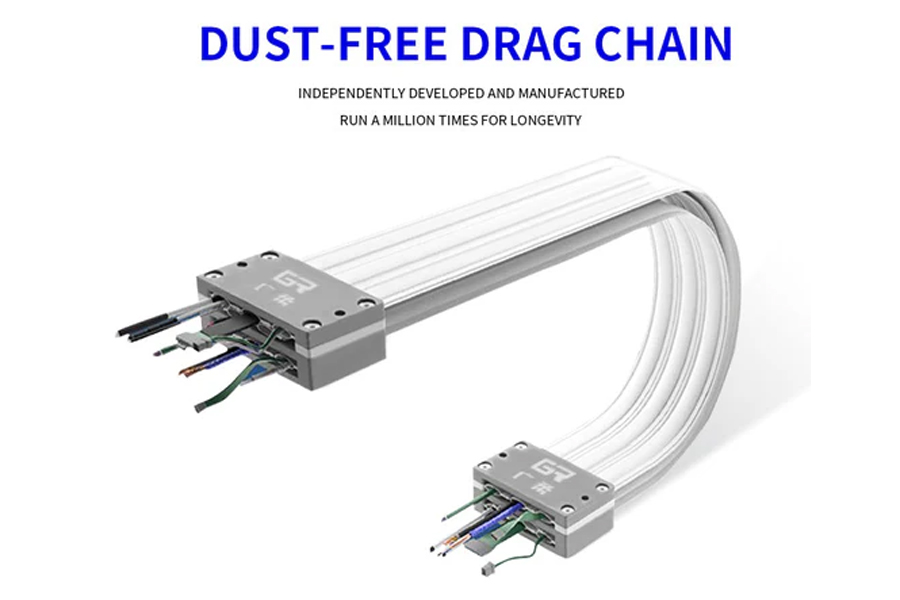
Understanding the Importance of Drag Chains in Industrial Automation
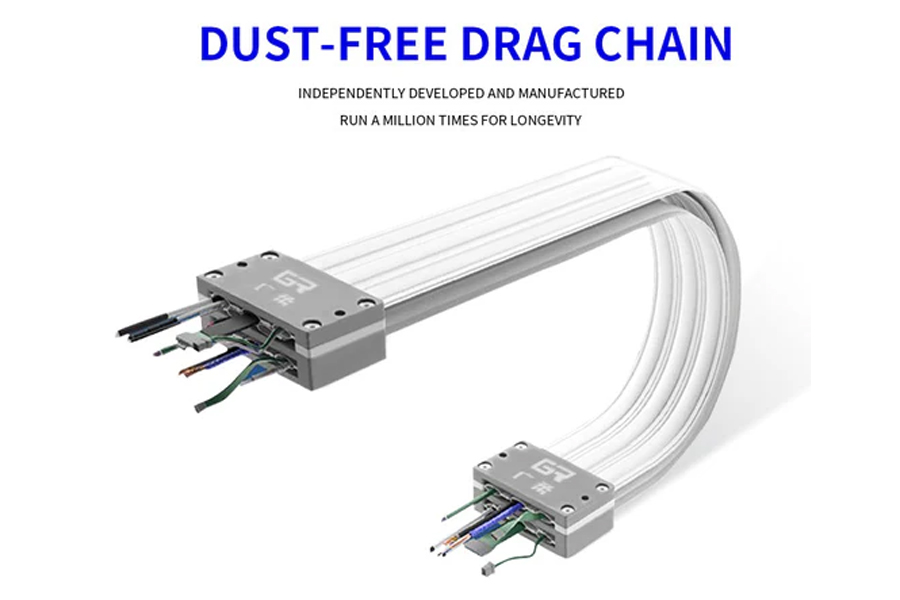
Drag chains, also known as cable carriers, serve as essential components within industrial automation systems, ensuring the protection and organization of cables and hoses. Their structured design minimizes the risk of wear during machine movements, which is crucial for reducing unexpected downtime. Regular maintenance of drag chains allows for seamless operation, enabling easier access for troubleshooting and repairs. Furthermore, these systems enhance workplace safety by preventing tangling and potential hazards related to moving components. Investing in high-quality drag chains tailored to specific applications can significantly improve operational efficiency and the overall integrity of automated processes.
The Significance of Cable Carriers in Automation Systems
Cable carriers play a critical role in ensuring the smooth operation of automation systems. By organizing and protecting moving cables, these carriers minimize wear and tear, reducing the risk of downtime due to cable damage. Specifically, cleanroom drag chainsare designed to operate in environments where cleanliness is paramount, like semiconductor manufacturing or pharmaceutical production. They facilitate cable management while adhering to stringent contamination control standards.
"A well-organized cabling system enhances both performance and safety in industrial automation."
In addition, effective drag chains prevent tangling and snagging, thus promoting a safer workspace for operators and machinery alike. With proper installation and maintenance, cable carriers contribute significantly to system longevity and operational efficiency. Their importance cannot be overstated when considering the reliability required in today’s automated environments.
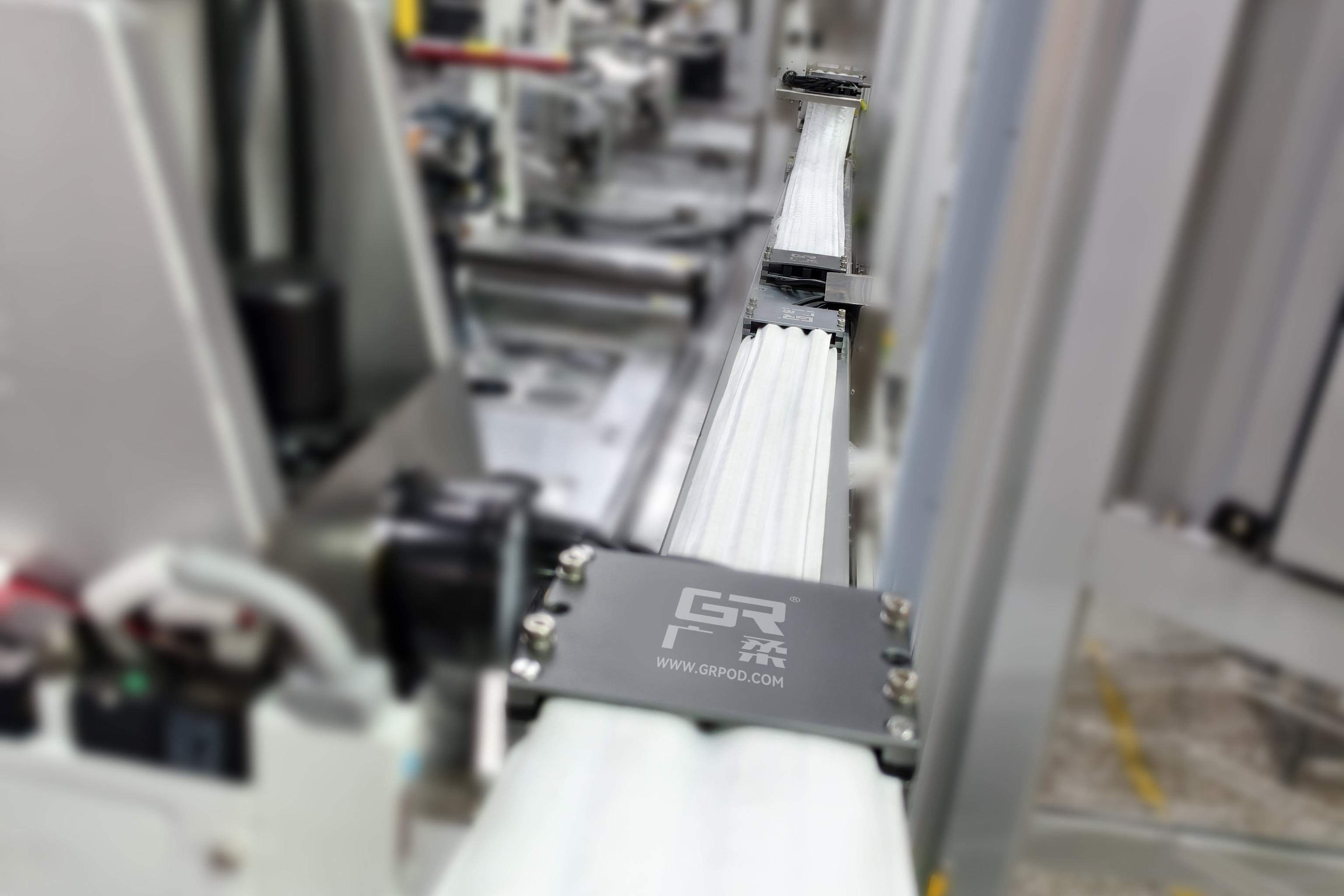
How Drag Chains Enhance Safety in Industrial Environments
Drag chains play a crucial role in enhancing safety within industrial settings by providing a structured solution for cable and hose management. When machinery operates, movement can strain cables and hoses, leading to potential hazards such as entanglement or wear. By securing these components within a drag chain, the risk of accidental contact is significantly reduced. This containment not only prevents damage to the cables themselves but also minimizes the potential for electrical faults or fluid leaks, which could create unsafe conditions for operators. Furthermore, the organized routing of cables allows for easier maintenance and inspection, increasing overall workplace safety. Regularly maintained drag chains can further prolong the lifespan of their contents and reduce unexpected downtime due to injuries or equipment failure, thereby contributing to a safer industrial environment.
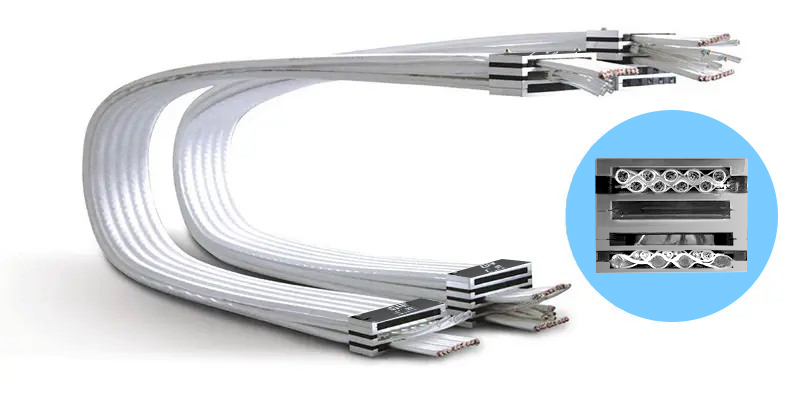
Protecting Cables: The Role of Drag Chains in Automation
Drag chains, commonly referred to as cable carriers, play a crucial role in safeguarding cables and hoses in various industrial applications. These components provide a structured pathway that prevents wear and tear caused by movement. By allowing cables to glide smoothly along their designated routes, drag chains minimize the risk of tangling or snagging, which could lead to downtime and increased maintenance costs. Moreover, a reliable drag chain factory ensures that these carriers are designed with appropriate materials that can withstand harsh conditions, enhancing the durability and longevity of the cables inside. Manufacturers specializing in drag chain manufacture focus on creating products that accommodate specific operational environments, providing tailored solutions for diverse automation needs. Ultimately, effective cable management through reliable drag chains guarantees consistent performance and operational integrity in automated systems.
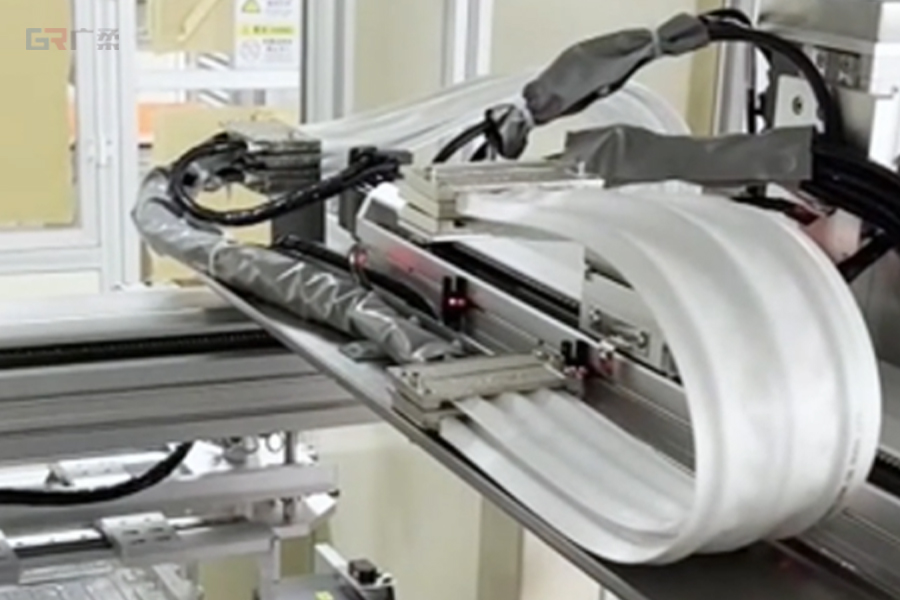
Improving Efficiency with Effective Drag Chains and Cable Management
Effective drag chains play a crucial role in enhancing operational efficiency within automated systems. By securely guiding and protecting cables, hoses, and pipes, drag chains minimize the risk of wear and tear during machine movement. This reduces the likelihood of unexpected downtime due to cable damage, ultimately leading to more consistent performance in manufacturing processes. Additionally, a well-organized cable management system allows for easier maintenance and troubleshooting, reducing the time engineers spend on repairs. Regular inspections of drag chains ensure they are functioning properly and are free from obstructions, further contributing to an uninterrupted workflow. Implementing these components thoughtfully can significantly streamline operations and improve overall productivity in industrial environments.
Conclusion
In conclusion, drag chains, also known as cable carriers, are integral to the efficiency and safety of industrial automation systems. Their design not only organizes cables but also protects them from wear and tear due to constant motion. As systems become more complex, the need for reliable cable management solutions grows; drag chains meet this demand effectively. By minimizing risks associated with cable damage and promoting easier maintenance access, these components significantly enhance operational performance. The implementation of high-quality drag chains designed for specific applications can lead to improved system longevity and operational reliability in automated environments. As industries continue to evolve, the role of drag chains will remain pivotal in ensuring seamless operations.
FAQs
What are drag chains and their primary function?
Drag chains, also known as cable carriers, are designed to protect and manage moving cables and hoses in automated systems. Their primary function is to ensure safe routing while minimizing wear and tear caused by mechanical movement.
How do drag chains enhance workplace safety?
By securely containing cables, drag chains reduce the risk of entanglement and accidental contact. This containment minimizes the potential for electrical faults or fluid leaks, creating a safer environment for operators.
What materials are typically used in drag chain manufacturing?
Manufacturers often use durable materials like nylon or reinforced plastic that can withstand harsh industrial conditions. These materials contribute to the longevity and effectiveness of the cable management system.
How do regular inspections affect drag chain performance?
Regular inspections help identify any wear or obstructions within the drag chain system. This proactive approach can prevent unexpected downtimes, ensuring consistent workflow and operational efficiency.
Can drag chains be customized for specific operational environments?
Yes, many manufacturers offer customizable solutions tailored to meet the unique requirements of various industrial applications, ensuring optimal performance based on environmental conditions.
Contact Guangrou for a clean room drag chain solution.