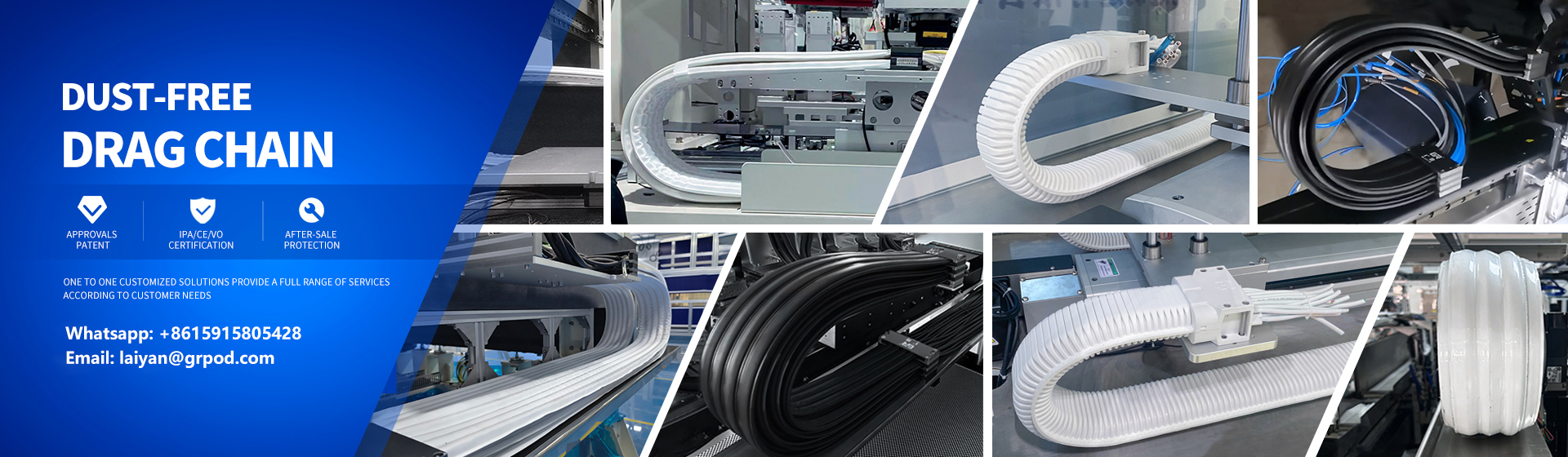
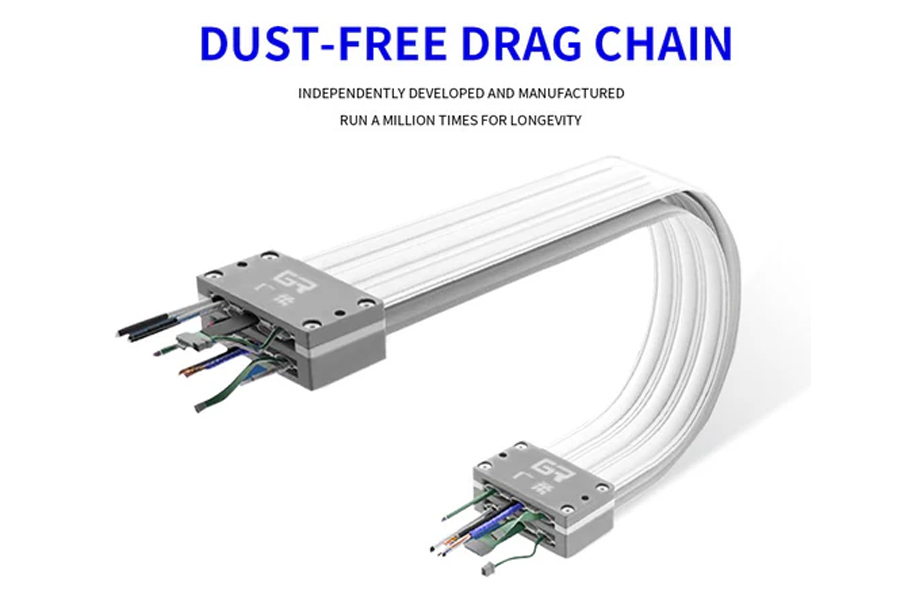
Enhancing Industrial Efficiency with Drag Chains and Cable Carriers
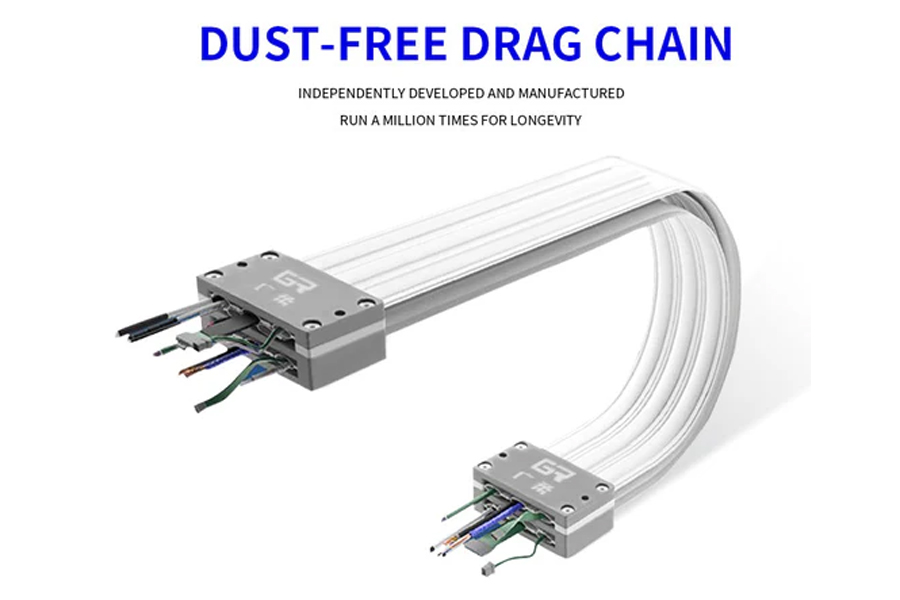
The integration of drag chains and cable carriers in industrial settings offers significant advantages in operational efficiency and reliability. By effectively managing cables and hoses, these systems minimize wear, prevent entanglements, and reduce the frequency of maintenance interventions. Innovations in plastic materials have further bolstered the performance of these carriers, enabling them to withstand challenging environments while maintaining structural integrity. Additionally, the adaptability of drag chains to different cable types ensures versatility in installation, facilitating customization according to specific operational needs. Collectively, these factors contribute to enhanced productivity and a reduction in operational risks across various industrial applications.
Benefits of Drag Chains in Industrial Automation
Drag chains are instrumental in enhancing the reliability of industrial automation systems. By securely managing and routing cables and hoses, they prevent wear and damage that can lead to costly downtime. A well-designed drag chain not only accommodates movement but also minimizes the risk of tangling or snagging, ensuring uninterrupted operations.
Moreover, drag chain manufacturers have made strides in creating models that suit various applications and environments. The use of advanced plastic materials contributes to increased flexibility and strength, allowing these chains to withstand harsh conditions while maintaining peak performance. For industries that rely heavily on machinery, investing in high-quality drag chains can lead to a longer service life for essential components.
“Effective cable management is not just about protection; it’s about ensuring efficiency.”
In terms of operational efficiency, the increased lifespan of cables housed within a drag chain translates to reduced maintenance costs and fewer replacements over time. Implementing these systems effectively contributes significantly to a smoother workflow and enhanced productivity across various industrial applications.
Optimizing Cable Management with Advanced Cable Carriers
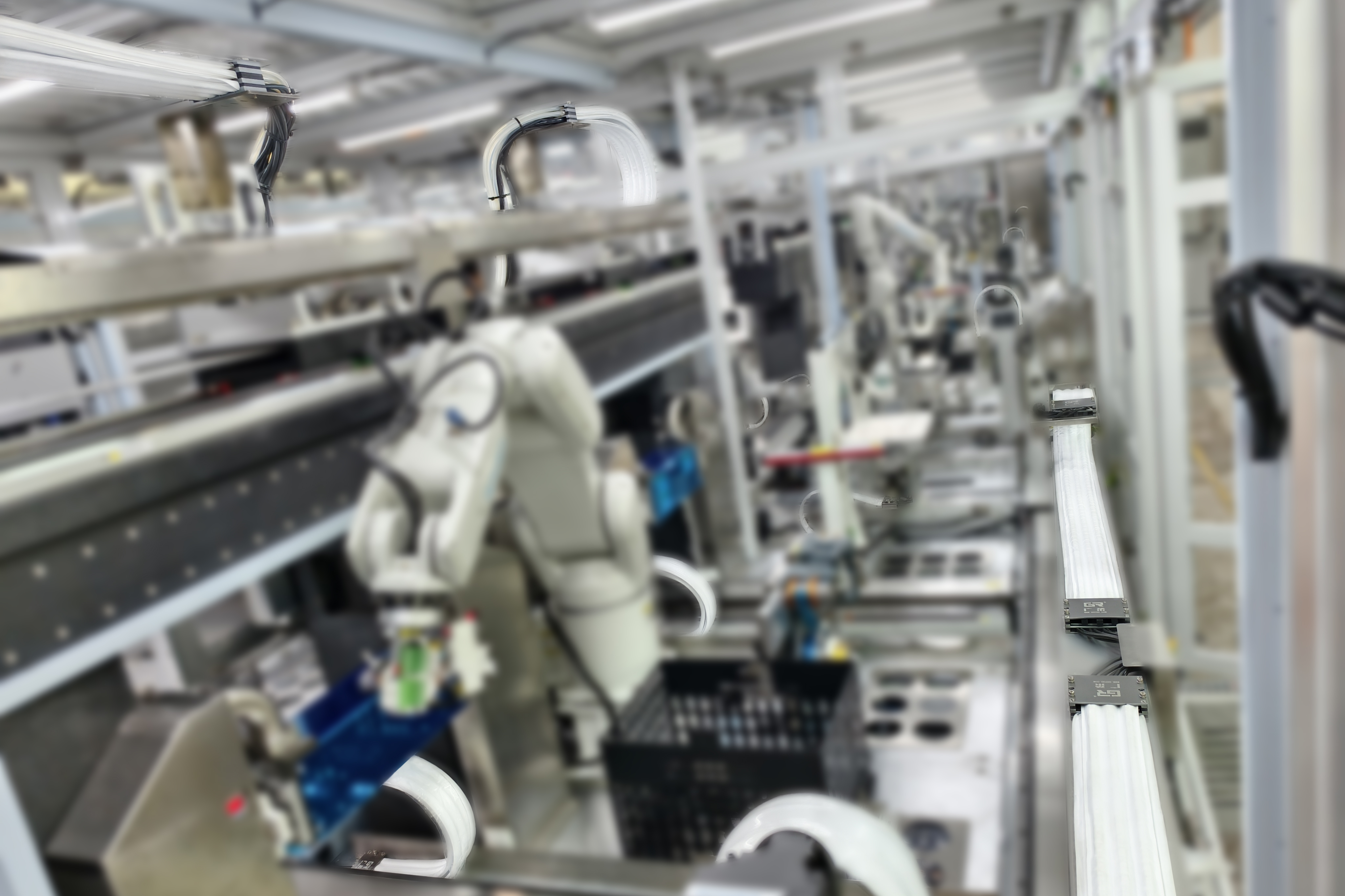
Effective cable management is essential in industrial settings, and advanced cable carriers play a significant role in this process. These systems, including options like the cleanroom drag chain, efficiently organize and protect cables from wear and tear. By preventing tangling and physical damage, they contribute to a more streamlined workflow. Modern cable carriers are designed to accommodate a variety of cables and hoses, ensuring flexibility while maintaining a tidy environment. Additionally, their robust construction enhances their ability to withstand harsh operational conditions, ultimately extending the service life of the cables they protect. This optimized arrangement not only reduces the risk of operational disruptions but also promotes safety by minimizing hazards linked to exposed or damaged cables.

The Role of Drag Chains in Reducing Operational Downtime
Drag chains play a vital role in minimizing operational downtime by providing effective management of cables, hoses, and pipes in industrial environments. By securely guiding these components along designated paths, drag chains prevent entanglements and abrasion that could lead to costly repairs and interruptions. Their design allows for smooth movements, which is critical in environments where machinery operates continuously. Furthermore, drag chains can accommodate a variety of cable types, ensuring adaptability across different systems. This flexibility means businesses can tailor their setups without frequent adjustments or replacements. With robust materials engineered for longevity, the use of drag chains not only enhances the reliability of equipment but also contributes to consistent workflow efficiency, ultimately leading to increased productivity and reduced operational risks.
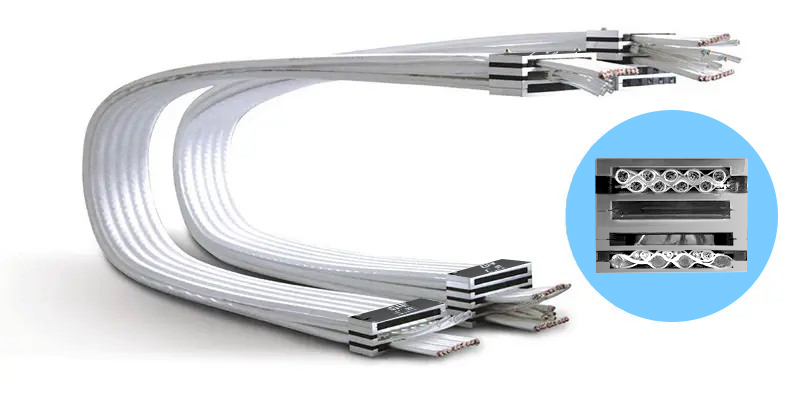
Durability and Performance: Innovations in Plastic Cable Carriers
Recent advancements in plastic materials have significantly enhanced the durability and performance of cable carriers. Manufacturers are focusing on using engineered plastics that resist wear, chemicals, and varying temperatures, making these cable carriers suitable for demanding industrial environments. A drag chain factory is crucial in developing these innovative solutions. They ensure that each carrier is designed with precision to increase load capacity while minimizing weight, which improves the overall efficiency of operations. These innovations not only extend the service life of cables and hoses but also contribute to smoother operation in machinery, thus reducing maintenance needs. By adopting such advancements, industries can achieve greater reliability and efficiency in their automated processes.
Conclusion
In conclusion, the integration of drag chains and cable carriers significantly bolsters industrial efficiency by ensuring the longevity and protection of critical components. These systems not only optimize cable management but also facilitate smoother operational workflows, reducing the likelihood of costly downtimes. The advancements in durable plastic materials have further enhanced their performance, allowing for resilience in challenging environments. Consequently, adopting drag chains and cable carriers can result in notable savings on maintenance and replacement costs, while promoting a safer working atmosphere. As industries continue to evolve, these innovations remain integral to achieving operational excellence.
FAQs
What are drag chains and cable carriers used for in industrial applications?
Drag chains and cable carriers are utilized to manage and protect cables and hoses in industrial settings, helping to prevent wear and damage while ensuring efficient operation.
How do drag chains contribute to reducing downtime?
By securely guiding cables and hoses along designated paths, drag chains minimize the risk of entanglements and abrasions, thereby reducing the likelihood of costly repairs and operational interruptions.
What materials are commonly used in modern cable carriers?
Recent innovations have led to the use of engineered plastics that provide resistance to wear, chemicals, and temperature variations, enhancing the durability and performance of cable carriers.
Can drag chains accommodate different types of cables?
Yes, drag chains are designed to handle various cable types, providing flexibility for tailored setups across different industrial automation systems.
How do advancements in material technology benefit cable management solutions?
Advancements in material technology improve load capacity while reducing weight in drag chains and cable carriers. This results in enhanced operational efficiency and extends the service life of essential components.
Contact Guangrou for a clean room drag chain solution.